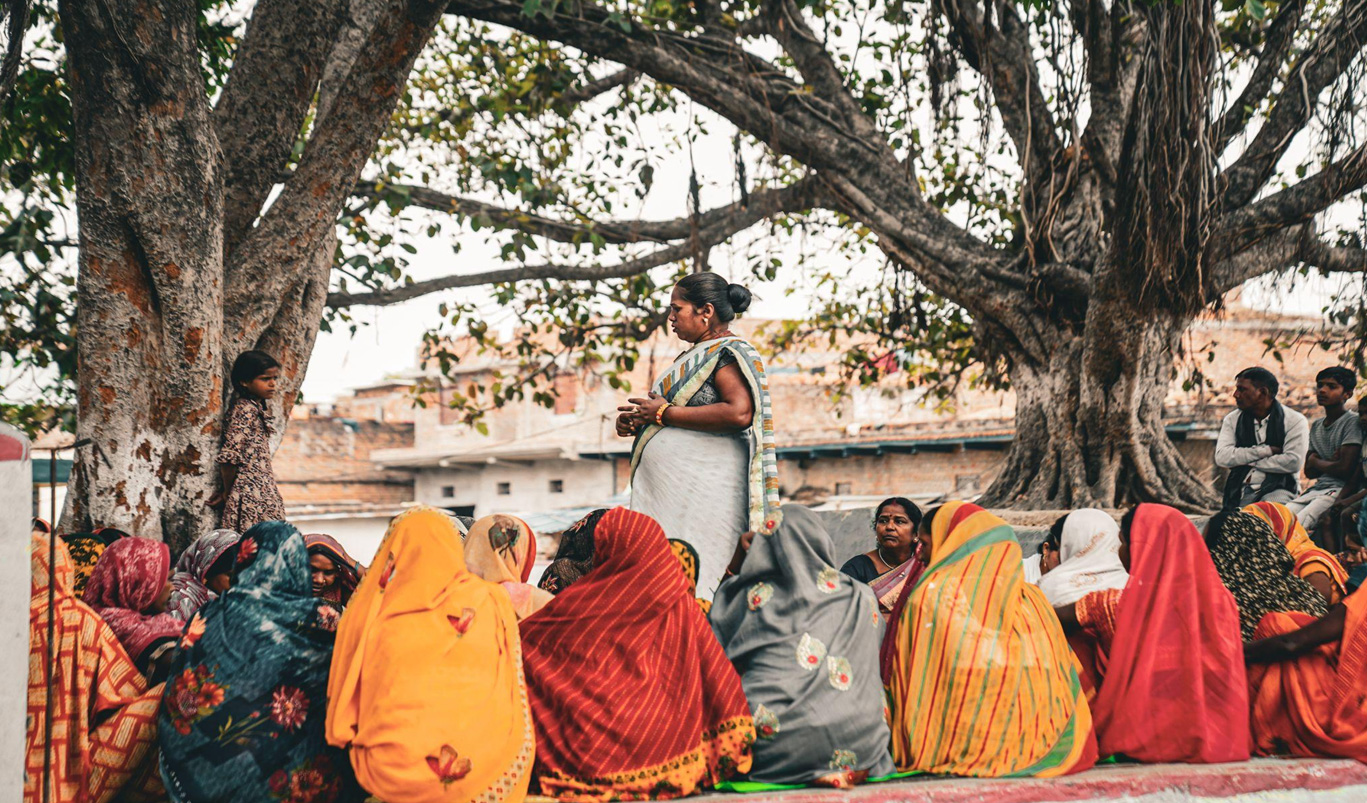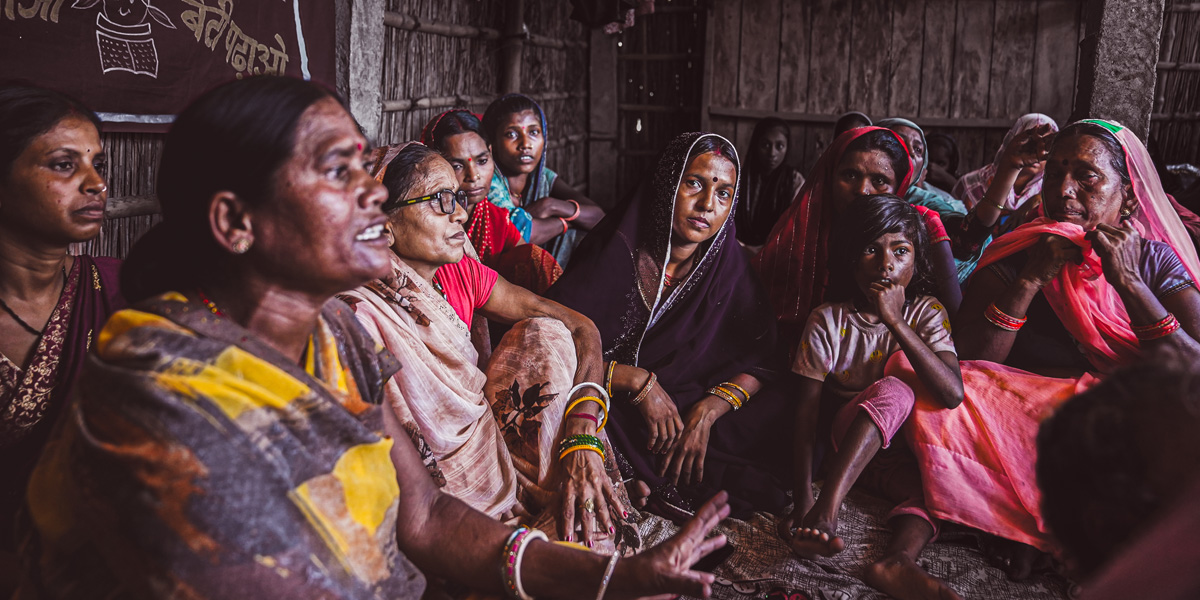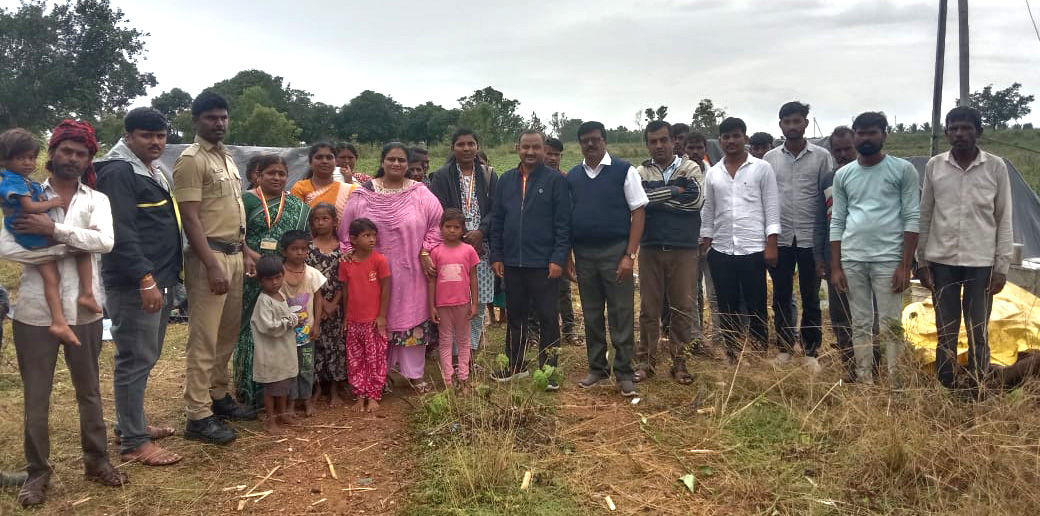

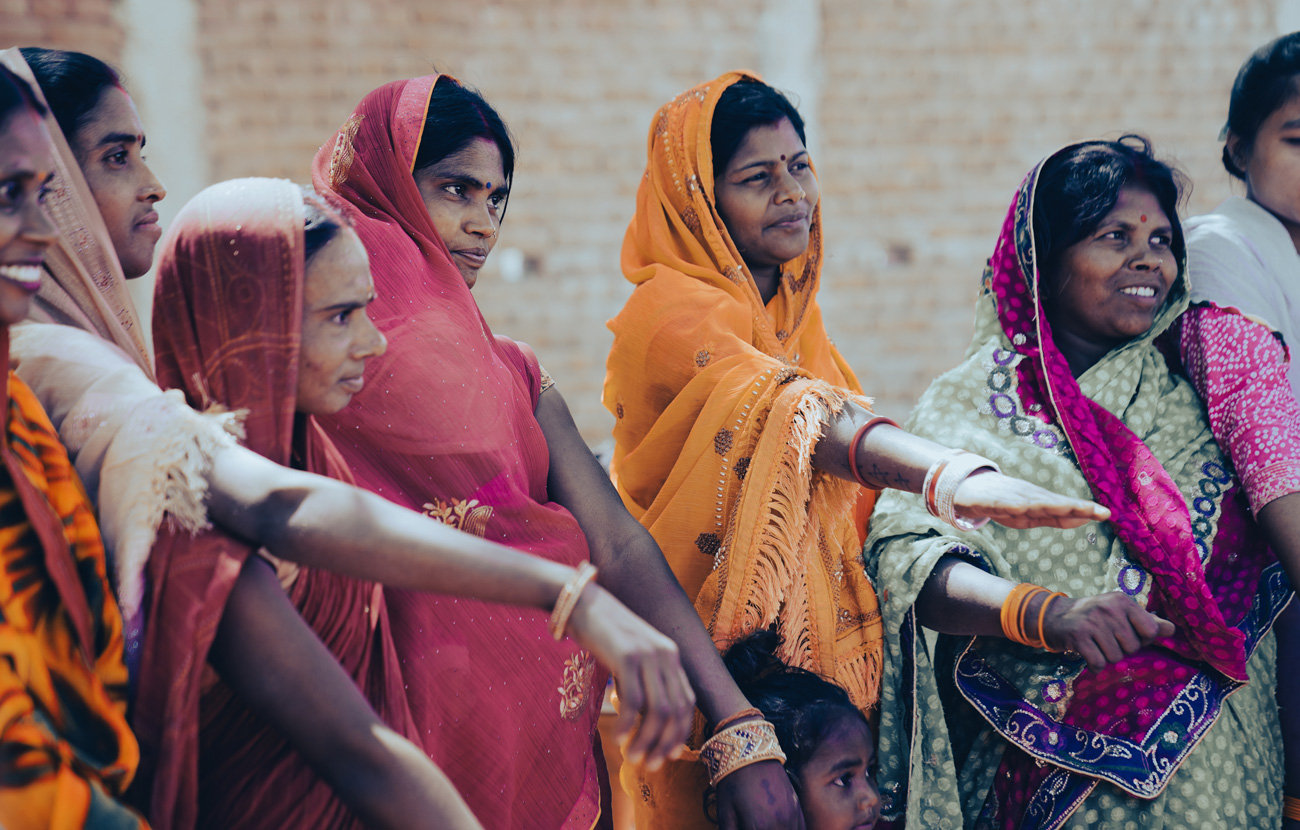
The mother said her daughter was not studying. The daughter said nothing. They had been sitting in the Chaupal for twenty minutes, next to each other, not speaking, when the daughter finally said, “Just ask her. Does she allow me to go to school?” The room shifted, almost imperceptibly. Until then, the silence between them had felt ordinary, familiar even. But in that moment, it became something else: a silence that had been holding something back. Across rural Bihar, such silences are rarely broken in public. Conversations about girls’ education often happen around them, not with them. Decisions are made in the language of responsibility, constraint, and social expectation and are rarely. questioned aloud
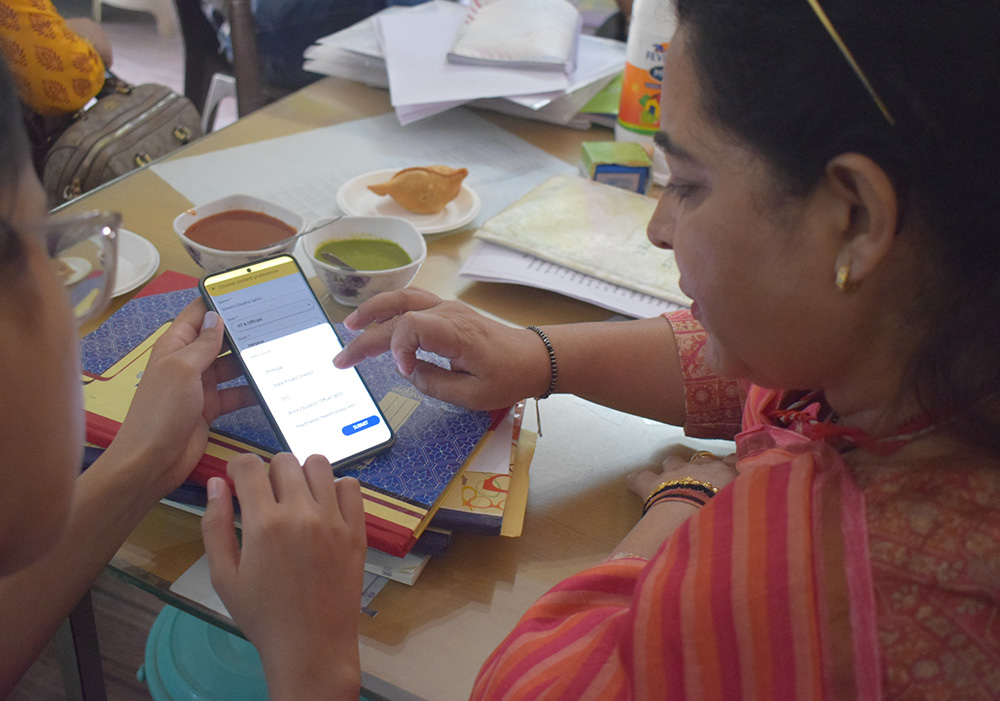
The Shiksha Chaupal enters this space not as an external authority, but as a setting where these unspoken tensions can surface, where what is usually implied is finally said.
Urmila, who facilitates these gatherings, has seen this pattern repeat itself in different forms. Mothers who insist their daughters are unwilling. Daughters who sit beside them, quiet, until something gives. What unfolds is not confrontation in the usual sense, but recognition of truths that both sides have carried, but never placed in the same sentence.
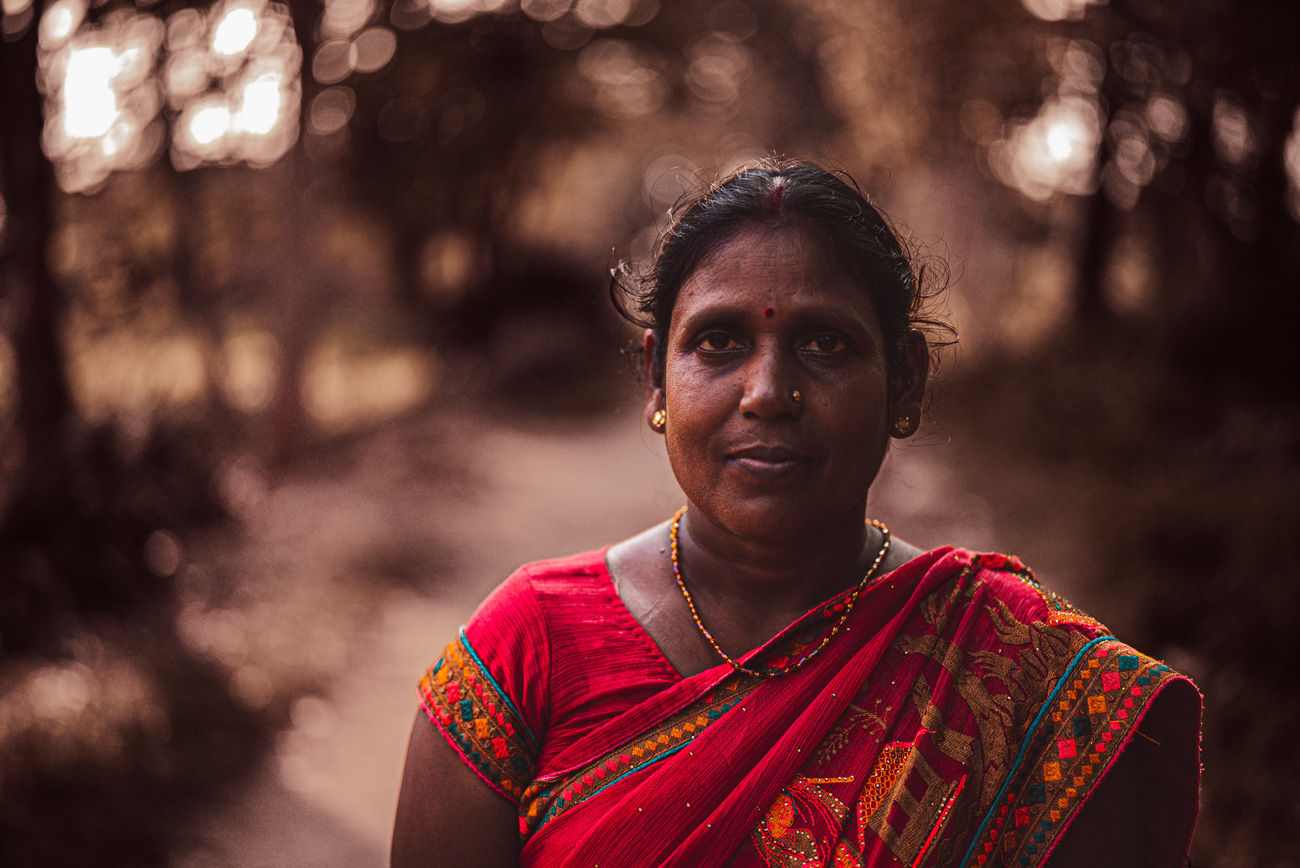
“From Shiksha Chaupal I learnt that despite difficult situations if we seek education, only then can we break free from that trap. If we don’t have education, then we are not human beings but animals, pushed in whatever directions others choose” (Chaupal Didi)
When the Room Holds Its Breath
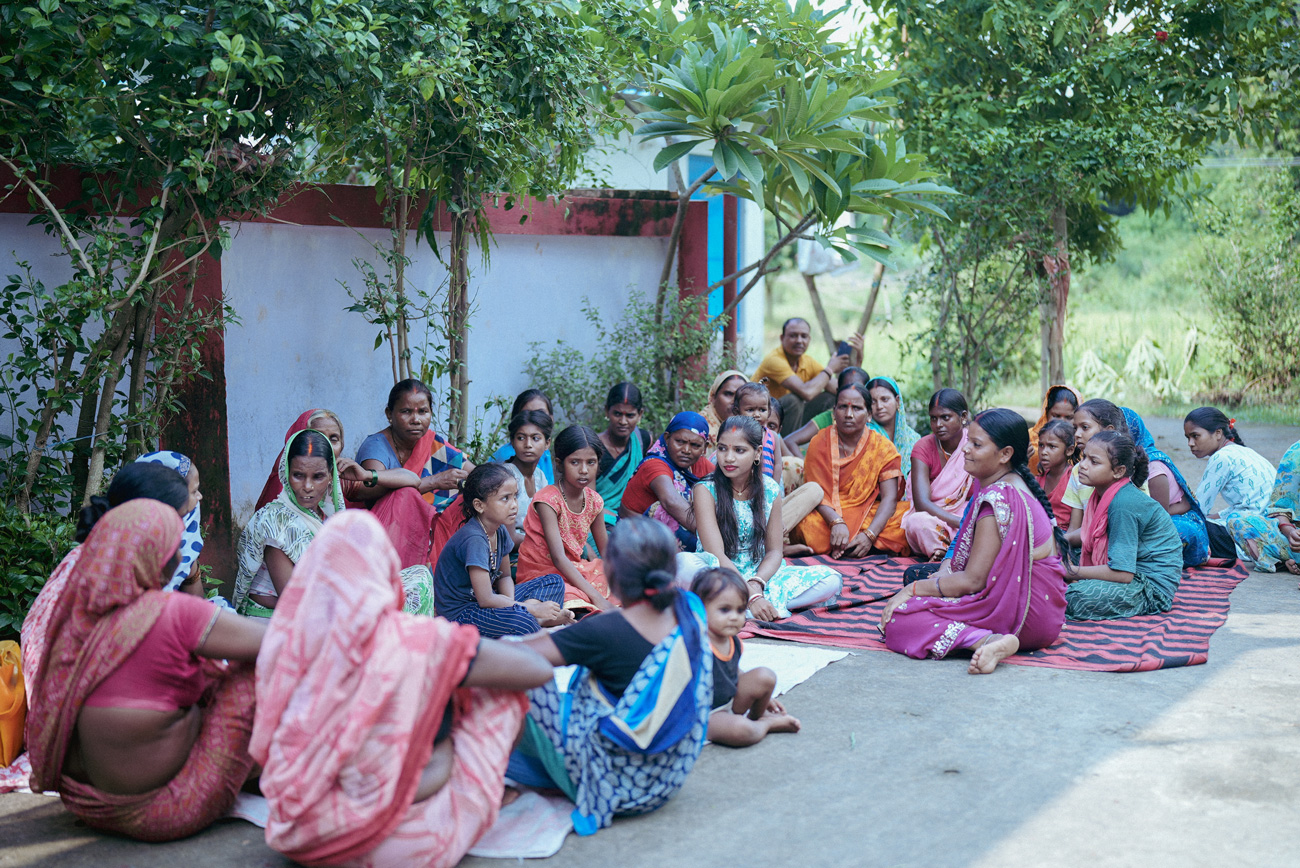
On that day, the moment did not escalate into conflict. It unfolded into something more difficult. The mother, when asked directly, did not immediately respond. The daughter did not repeat herself. The room held the weight of what had been said. And then, slowly, the conversation moved not towards blame, but towards understanding. By the end of it, there was no dramatic resolution, no sweeping declaration. There was, instead, a quiet promise tentative, but real.
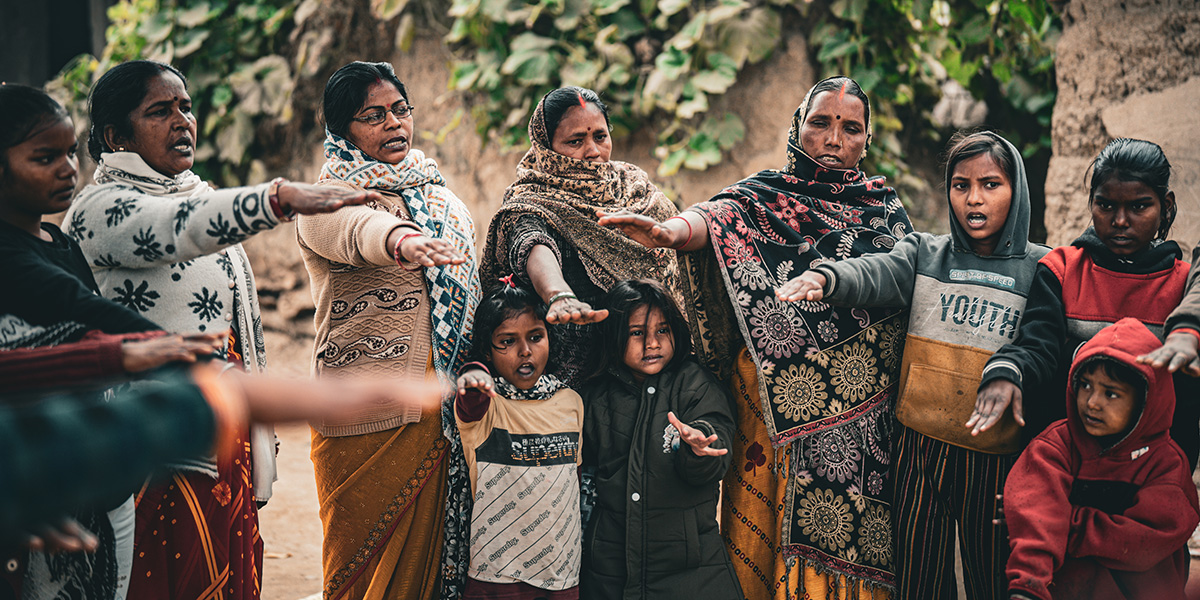
Sangeeta, who has worked closely with the Chaupal model, describes this process not as awareness-building, but as something far more deliberate. Solutions, she insists, cannot be imposed from the outside. They must emerge from within the community itself shaped by its realities, accepted on its own terms. Without that, change does not last. It may appear, briefly, but it does not hold. This is what sets the Chaupal apart from many interventions that came before it. It does not attempt to replace one authority with another. It does not instruct, persuade, or prescribe. Instead, it creates a structure where people arrive at their own conclusions where a mother hears her daughter not because she is told to, but because the space allows her to.
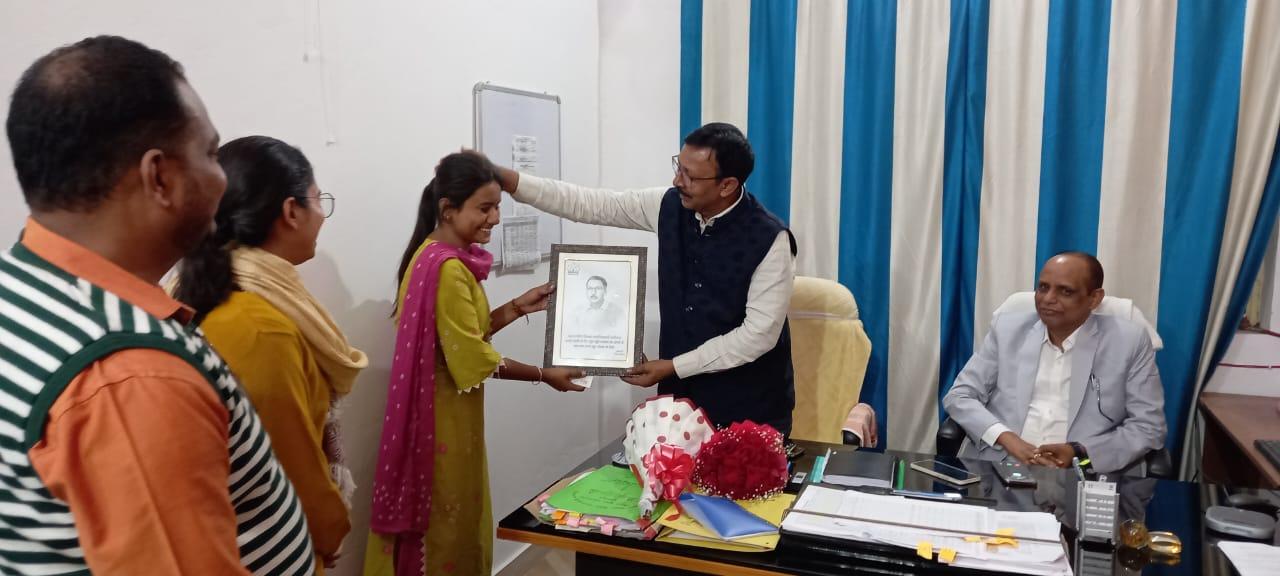
“See, if someone is educated, the first thing they get is confidence, they can express themselves, fight for their rights. The reason we insist on girls’ education is this: if she gets educated, she will have the confidence to shape her own life.” Ms Vibha Verma
A Question That Cannot Be Unheard
The shift, then, is not just in what is said, but in who gets to say it. A daughter, who might otherwise remain unheard, speaks in front of others. A mother, who might otherwise dismiss, is asked to respond. And in that exchange, something begins to change not through pressure, but through participation. The room does not transform everything at once. When the meeting ends, the village remains the same. The constraints do not disappear. But something has been altered in the relationship between silence and speech. The next time, it becomes slightly easier to speak. Slightly harder to ignore.
Nothing in that room looked extraordinary when it ended, just women getting up, conversations trailing off, the day resuming as it always does.
But something had shifted in what was now possible. A question had been asked out loud, and it could not be unheard. In that small act, Shiksha Chaupal does what few interventions manage, it does not give answers, it makes them inevitable.
About the Author
Dankan N
Dankan N is a postgraduate student of Media and Communication Studies at Christ University, Bengaluru. Currently interning with the Media and Communications team at Shikshagraha, Mantra4Change, he works at the intersection of social impact, field reporting, and storytelling. His journey with Shikshagraha began through friends talking about volunteering at InvokED 5.0 in Bengaluru, an experience that pushed him to step beyond observation and engage directly with stories from the ground. Deeply interested in field reporting and writing blogs, Dankan focuses on capturing voices, contexts, and narratives that often go unheard.