
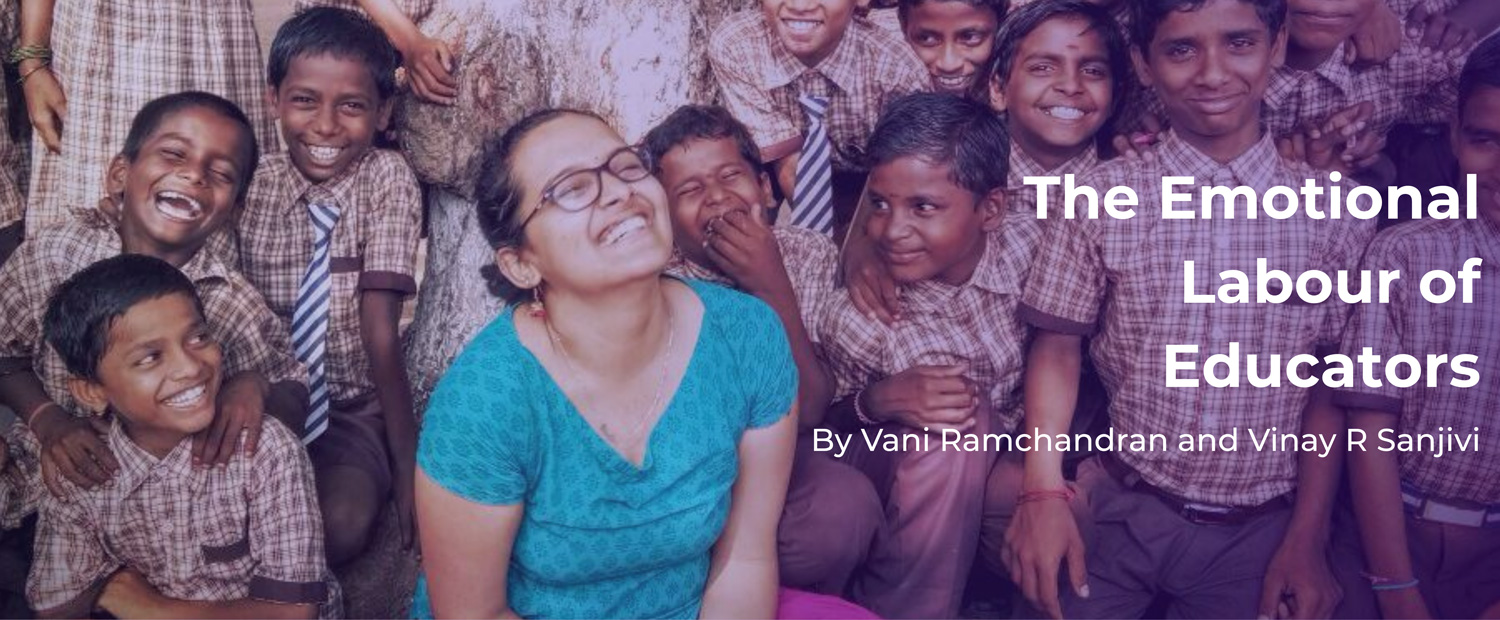
In classrooms and in corridors of policy, educators hold more than just knowledge, they hold space. For trust. For emotion. For change.
In this prose-like, co-authored reflection, we, an educator (Vani) and a systems practitioner (Vinay), explore the quiet, often invisible labour of care that underpins our work in education.
The Stillness Before the Storm
Vani writes:
The moment before children arrive is its own kind of quiet.
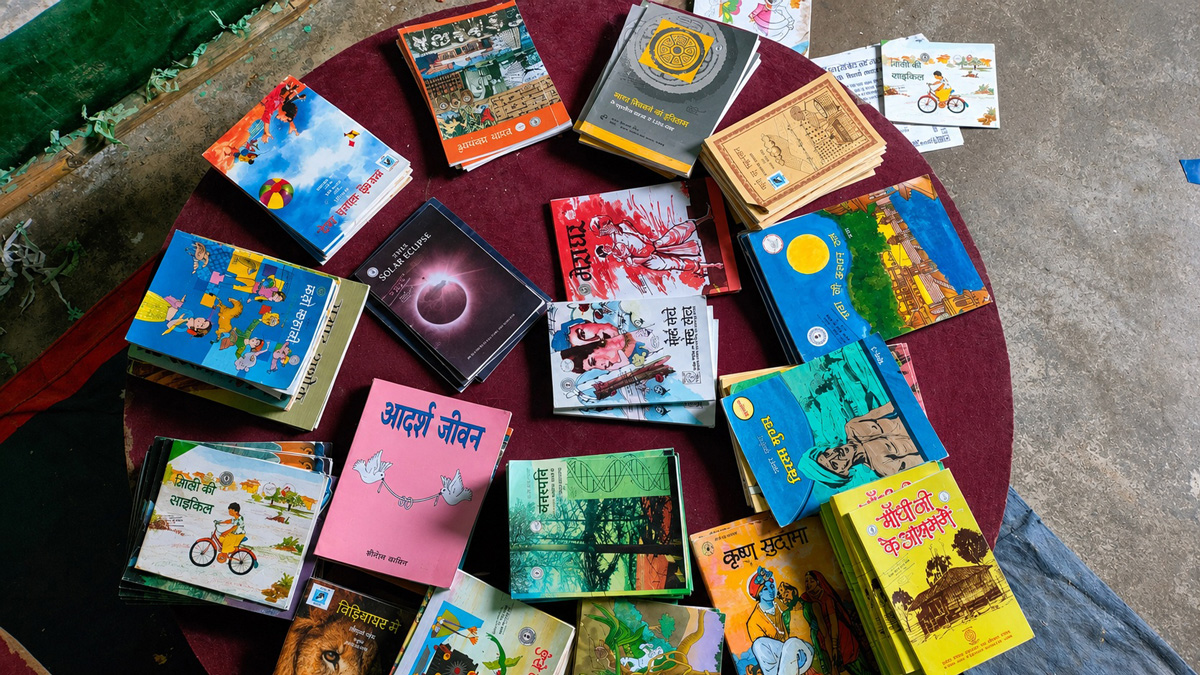
The book the students will read is on the table, next to some writing tools.
There’s a sacredness to this stillness, not because the room is tidy, but because I know what it’s about to hold.
Stories. Needs. Tears.
Spontaneous hugs.
Broken zippers.
Hunger masked as anger.
And laughter, so much of it.
Systems That Don’t See
Vinay writes:
I once sat in a conference room where the AC hummed louder than the conversation.
We were presenting a program we’d spent months building.
A senior official mentioned, “But isn’t this your job?”, when we were worried about making the changes to the proposal for the nth time.
It wasn’t said cruelly.
But it dismissed the invisible hours of persuasion, rework, and alignment.
This work isn’t mechanical. It’s emotional.
It’s caring about outcomes that are not yours to own, and showing up anyway.
Listening All the Way
Vani writes:
When a child wrote a story, they pulled the sleeve of my kurti, and said, “Will you sit with me and hear my story? I want you to hear it.”
“What if I don’t understand it?”
“You can ask me and I will try my best to explain it to you.”
Children notice when you listen, the way your body speaks and how you may nod affectionately.
The emotional labour of teaching lies in the small, unseen moments
The way you listen.
The way you kneel beside them instead of looking down.
The way you walk beside them as they cry after hearing their parents drive away.
The Cost of Caring from a Distance
Vinay writes:
System-level work rarely offers immediate rewards.
You learn how to read silences in policy rooms.
You write emails with hope woven into every line.
You smile through bureaucracy, and fight for nuance in a space built for scale.
Sometimes, what you build is dismantled overnight because a new officer arrives.
You start again.
And still, you hold the work like it matters. Because it does.
Power, Permission, and Presence
Vani writes:
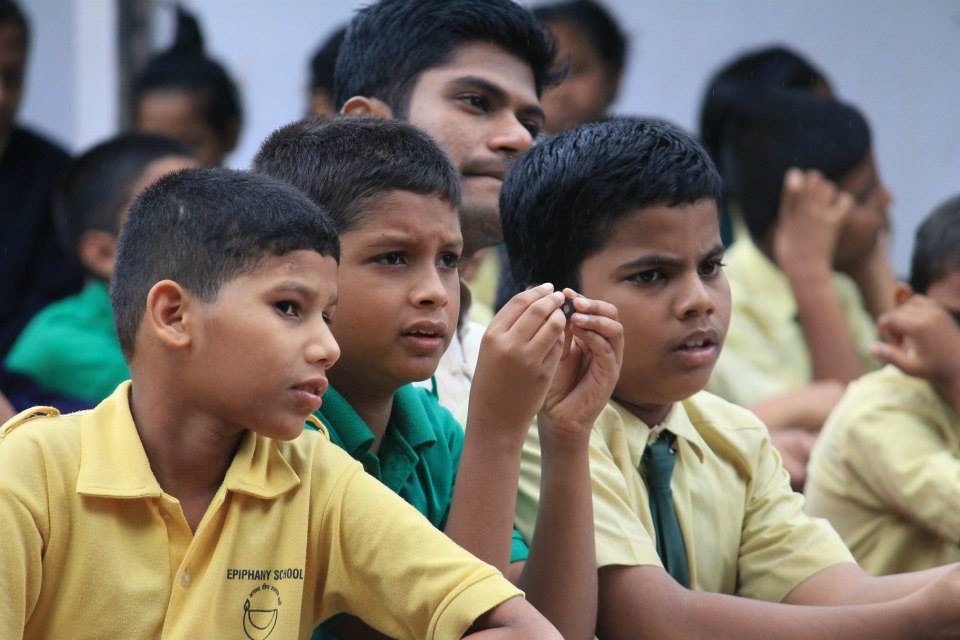
To “hold space” for children is also to wield power over time, over words and outcomes.
It requires immense accountability. Not just to the child, but to who they are becoming.
It’s about when to intervene. When to pause.
And when to simply be with them.
It takes courage to believe that presence, in itself, is a form of teaching.
The Invisibility of the Labour
Vinay writes:
The development sector has a visibility problem.
People outside rarely understand what we do, or assume it’s only fieldwork.
They don’t see the hundreds of WhatsApp messages exchanged coordinating with departments.
Or the weekend calls with funders.
Or the painstaking diplomacy needed to align five divergent agendas for rolling out one program.
They only see the output. Rarely the endurance.
Where Acknowledgment Lives
Vani writes:
In school, my labour was often visible. We were a small team. We saw each other.
But outside of school, especially among friends or family, I often heard things like:
“Oh you just play with kids all day.”
Or, “must be so fun to be around children!”
They don’t see the grief I carry home from hearing a child say “No one is my friend. Nobody likes me”.
Or the alertness it takes to protect their emotional world.
It’s invisible. But it’s real.
Rewards of a Different Kind
Vinay writes:
In this line of work, rewards are scattered across time.
A message from a district officer months later: “Sir, we continued the program.”
A teacher saying, “That tool helped me feel seen.”
They aren’t loud, but they last.
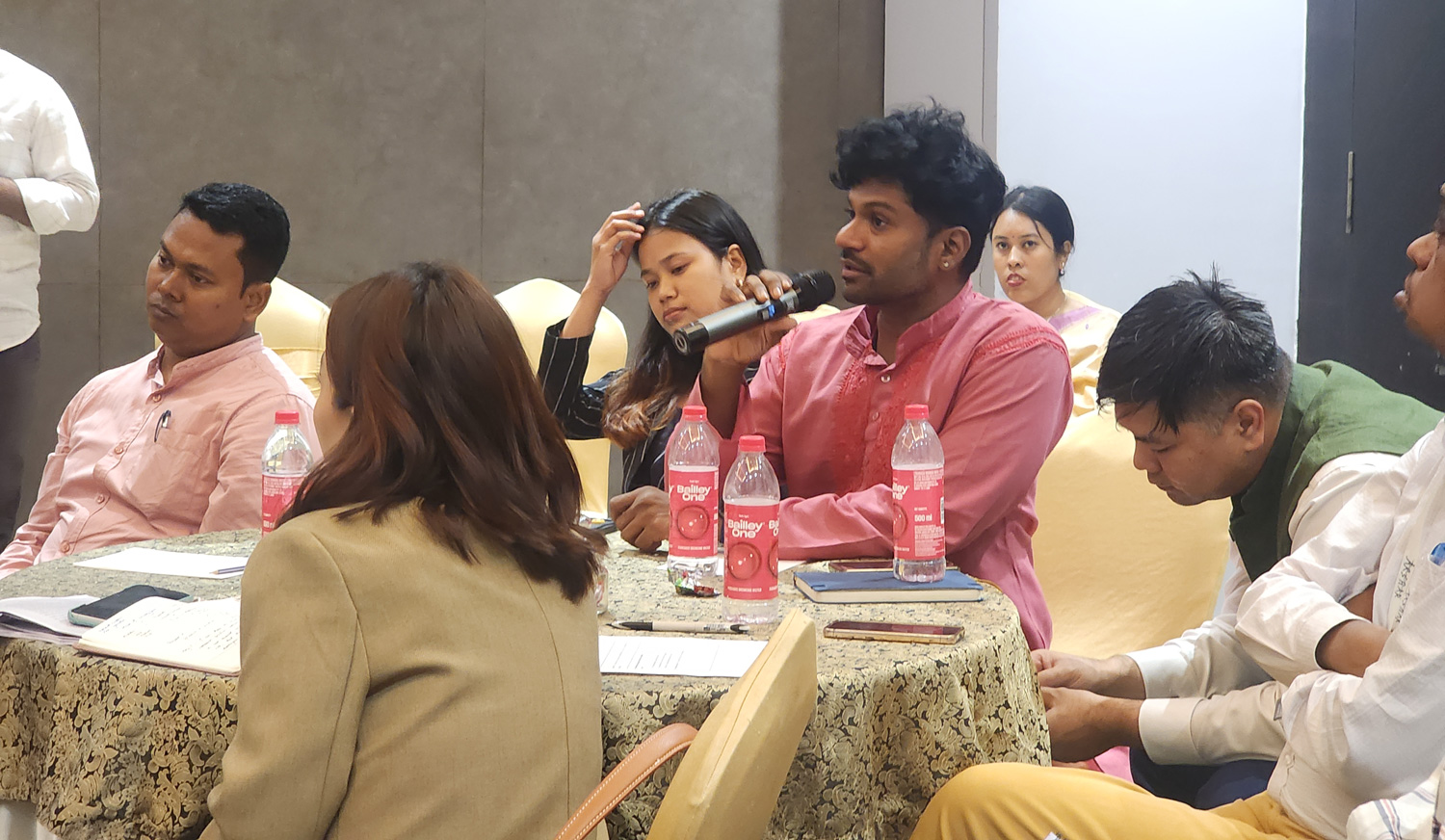
And sometimes, in Nagaland, someone calls you “an honorary Naga” and you realise that relationships are the real markers of progress.
Letters, Pebbles, and Letting Go
Vani writes:
Children show their ‘thanks yous’, not just with words, but through what they create, and the trust that they feel “Can I tell you something amazing, but that’s a secret?”
They ask to be held while their wounds get cleaned.
They draw you holding stars.
They ask if you will be back.
And some days, that’s more than enough.
What We Hold
Vani and Vinay write:
We hold different things
A crying child. A collapsing policy window.
An educator’s trust. A department’s silence.
The visible. The invisible.
The heavy.
But what ties us together is this:
We care. Deeply. Quietly. Without applause.
This is the emotional labour of educators.
This is the work behind the work.
And we will keep doing it.
With integrity. With tenderness.
Again.
And again.
About the Authors
Vani Ramachandran
Vani is an Educator. She has experience working with children in early and primary education, library curation, and implementing inclusive instructional strategies. Vani specialises in facilitating learning for children with diverse learning needs through creative programmes and active engagement with all the stakeholders in a school space.
Empathy, inclusivity and trust in the learner’s capacities are at the core of Vani’s practice as an Educator.
Vinay R Sanjivi 
Vinay is a systems leader and strategist, currently Head of Programs at ShikshaLokam, a nonprofit focused on strengthening leadership in India’s public education system. He designs and drives large-scale education programmes with governments and civil society, blending ecosystem thinking with on-ground insights. Previously, he led capacity-building initiatives for Andhra Pradesh’s residential schools and worked at Goldman Sachs as a Senior Finance Analyst. A Teach For India Fellow and policy consultant, Vinay holds a Master’s in Education from Azim Premji University. He is committed to building ecosystems where leadership is shared and every child can thrive.