



When women come together, children stay in school, communities take ownership, and change begins.




Every child deserves the chance to learn.
But education doesn't change through policies alone. It changes when families, neighbours, teachers, and communities believe every child matters.
Women often make that change possible.
They start conversations. They bring people together. They encourage families to send children to school. They stand up for girls' education. And they remind communities that every child deserves a future.
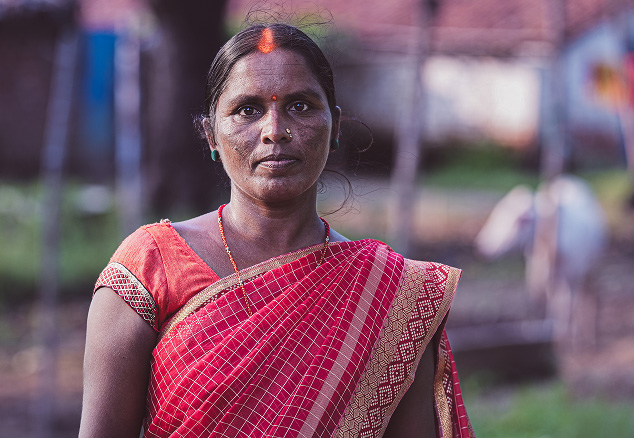
 The Mission
The Collective brings these women together and gives their work a shared structure. It's built on a simple idea: women don't need permission to lead their communities, they already do it. The Collective helps that leadership grow, connect across villages, and last.
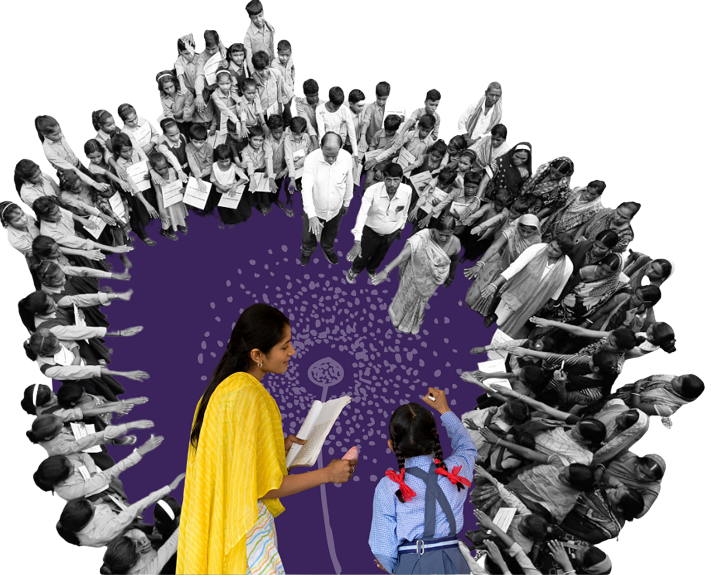
Shiksha Chaupals are community gatherings led by women. Mothers, teachers, Panchayat members, school leaders, and neighbours come together to talk about one simple question: How can we make sure every child stays in school?
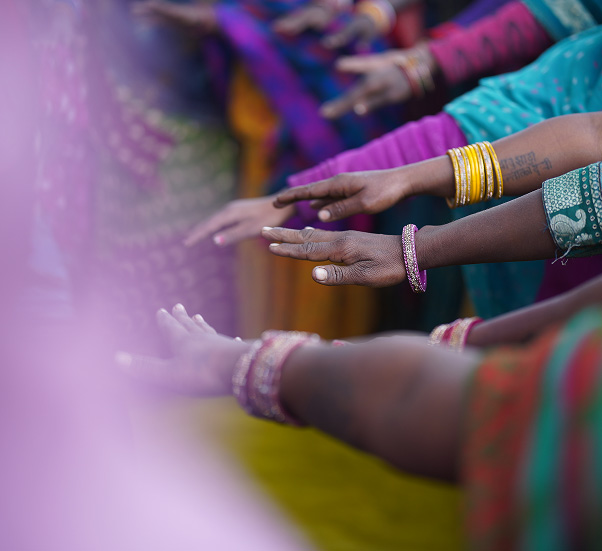
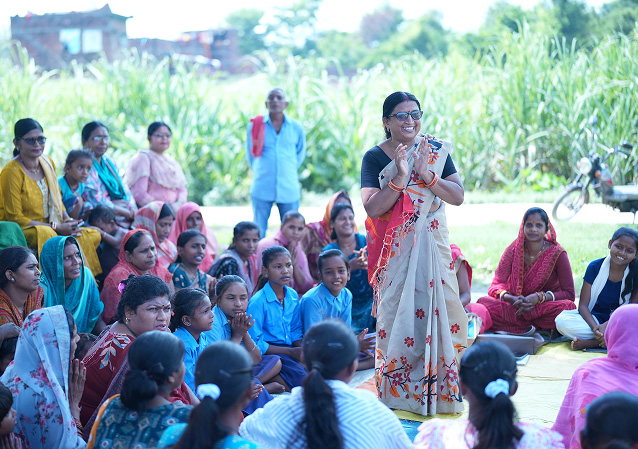
At every Chaupal, people speak openly about what's keeping children out of school:
Then, together, they find a way forward. Someone offers an idea. Someone else builds on it. By the end, the group has something concrete to act on, before they even leave the room.


Across Bihar and Karnataka, thousands of women are leading change in their own communities. Every milestone celebrates people coming together.
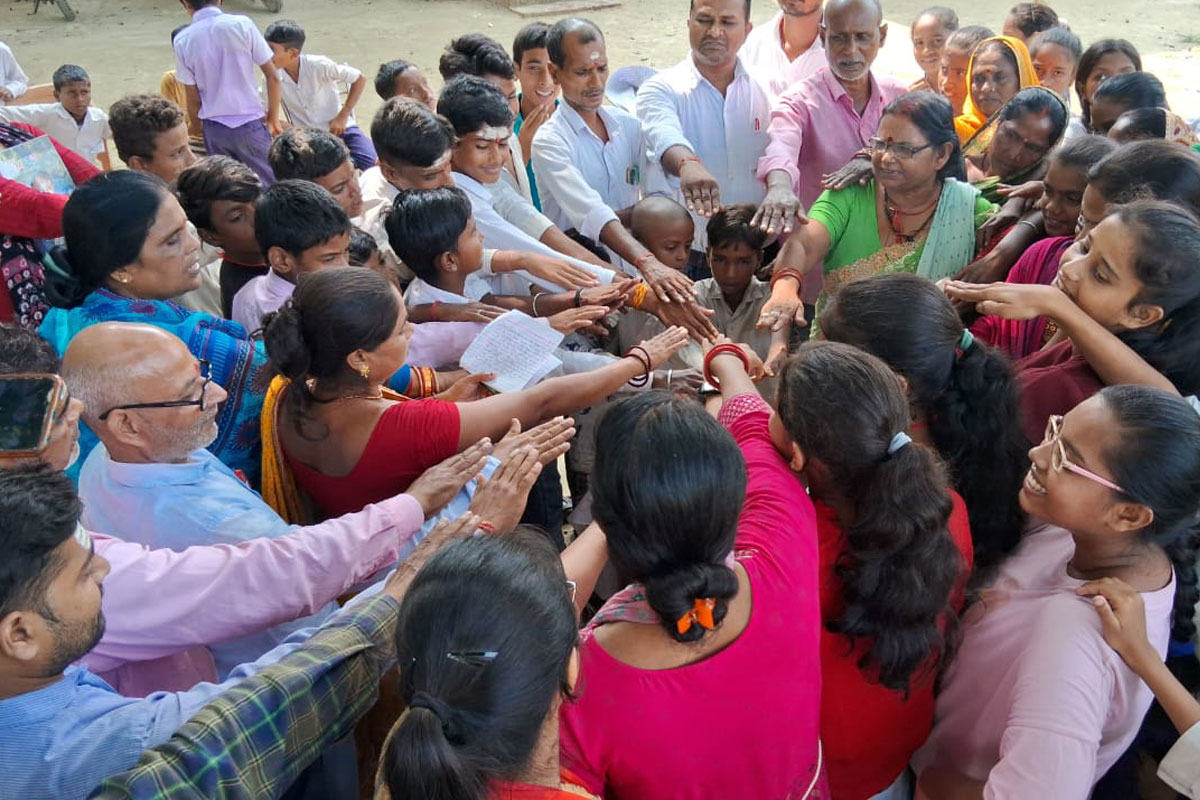
68,000+ families across seven districts in Bihar pledge to support girls to complete school
Explore the Photobook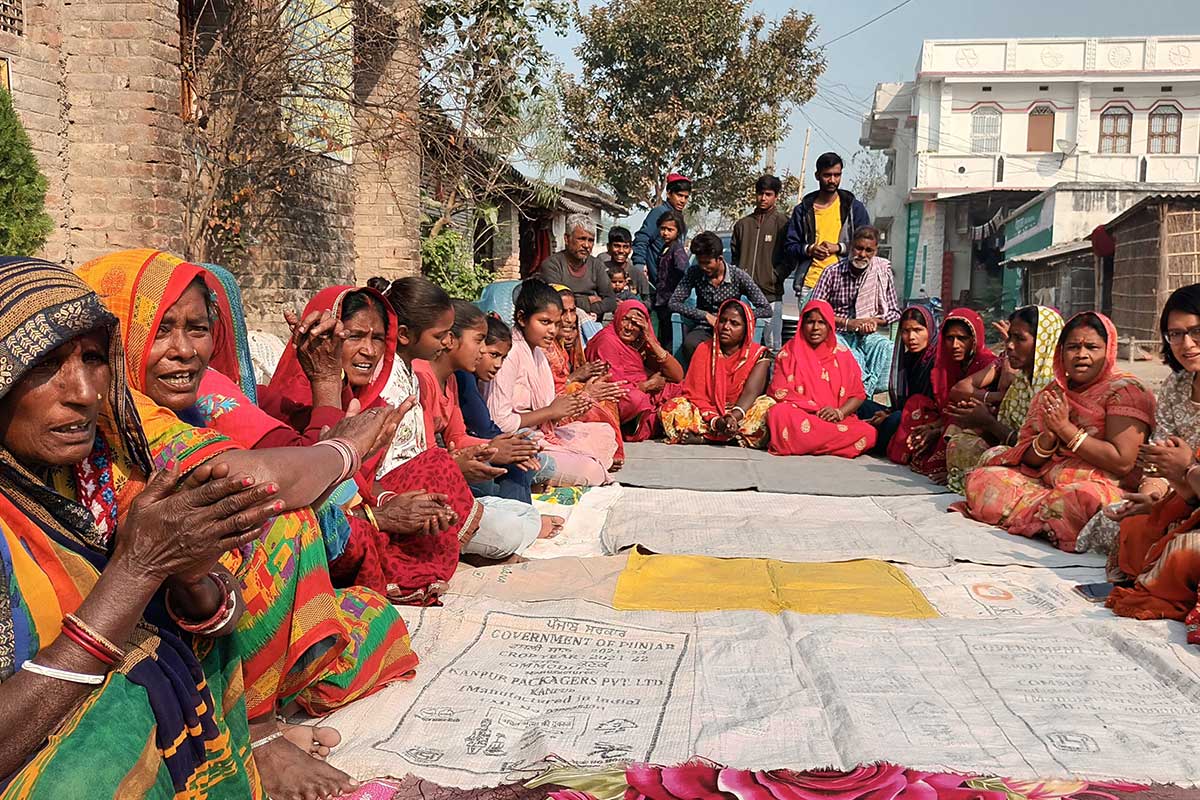
Communities named the barriers keeping children out of school and started solving them, one Chaupal at a time.
Explore the Photobook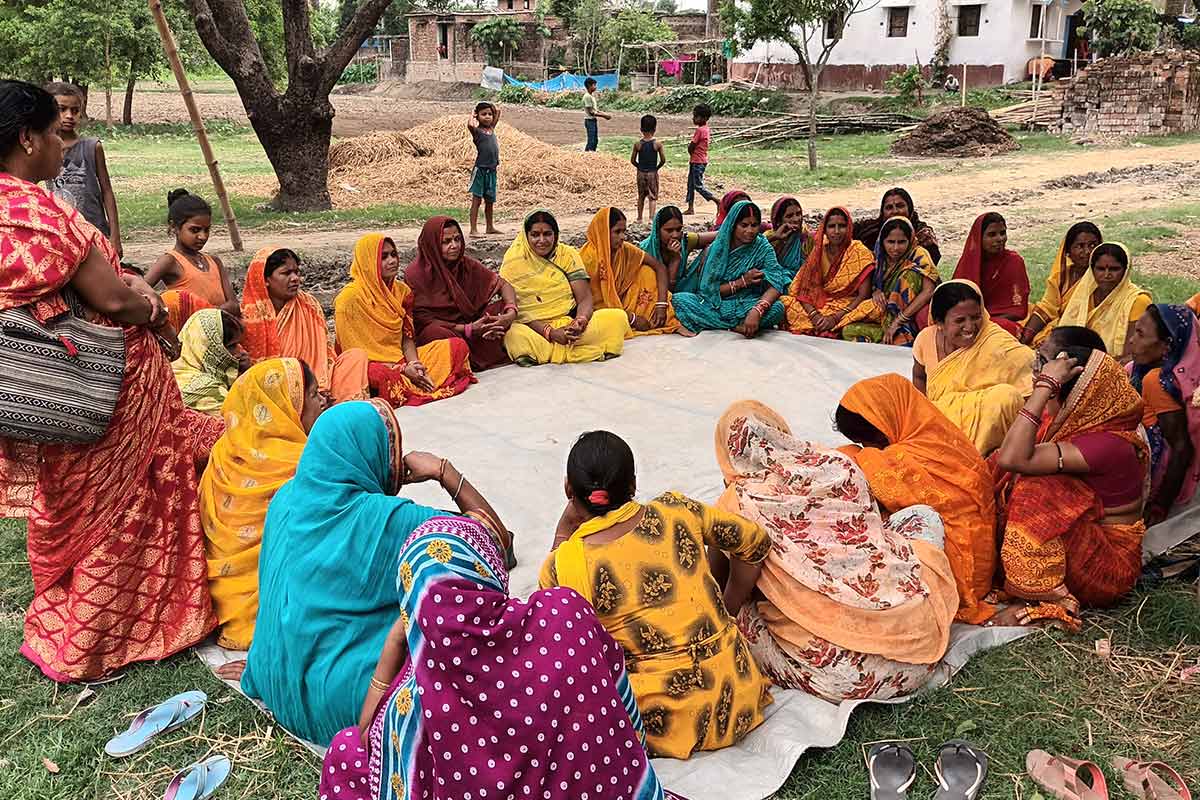
Women's groups across Bihar joined hands to lead an education change.
Explore the Photobook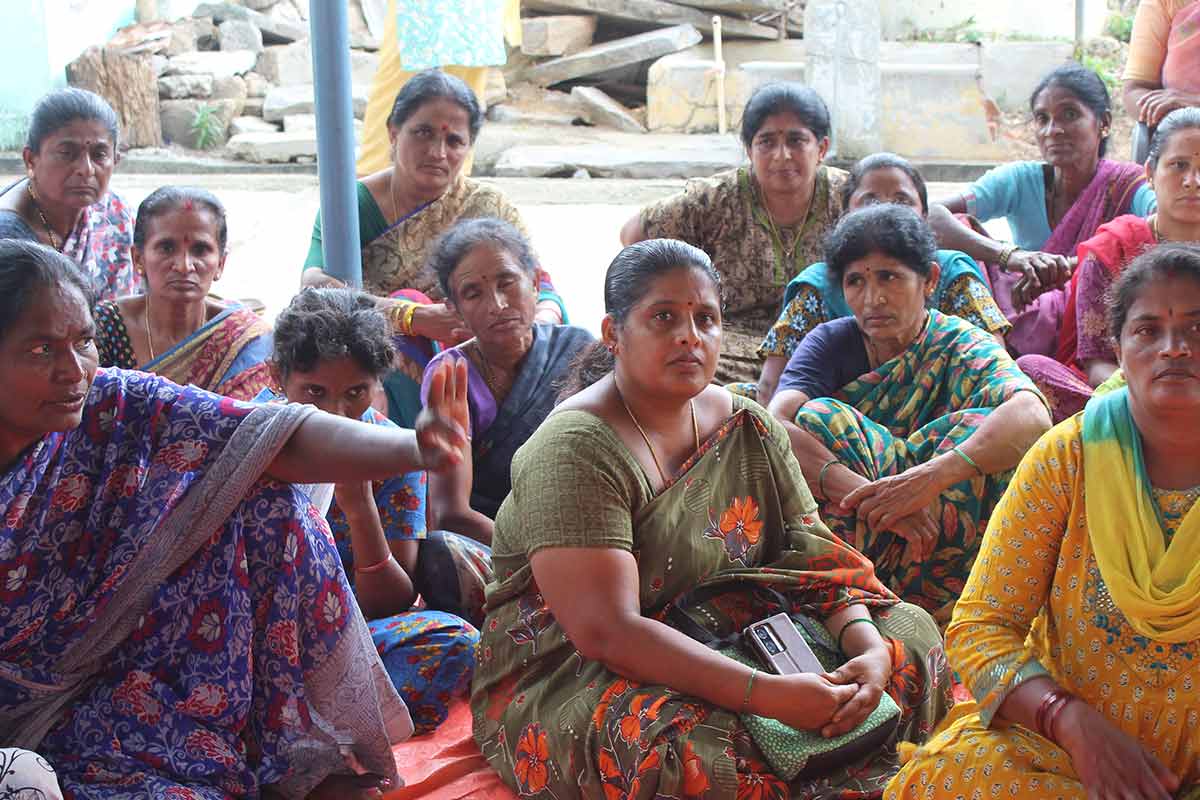
The movement reached Karnataka; 27,000+ micro–improvements initiated by communities
Explore the Photobook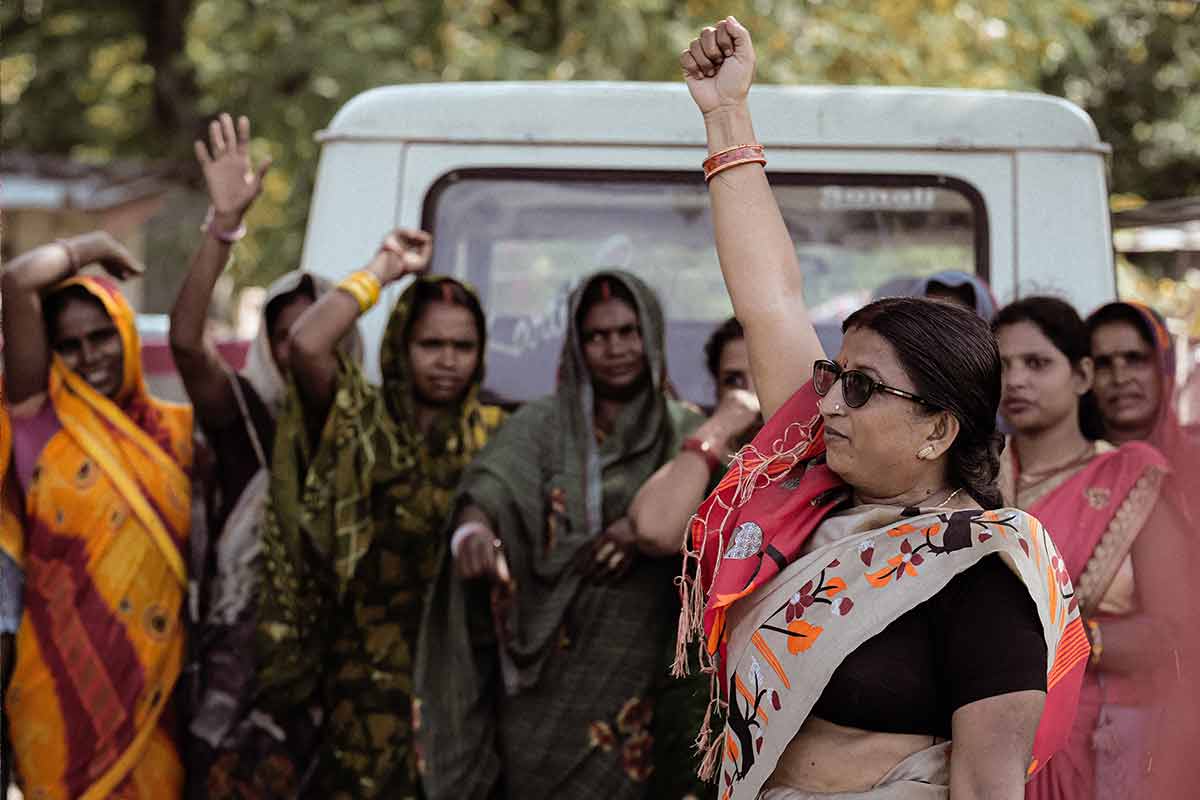
8,300+ Chaupals, 11 districts, 245,500+ participants including ~3,500 school leaders and 4,400+ pachayati raj institution members, led by ~400 Chaupal Didis
Explore the Photobook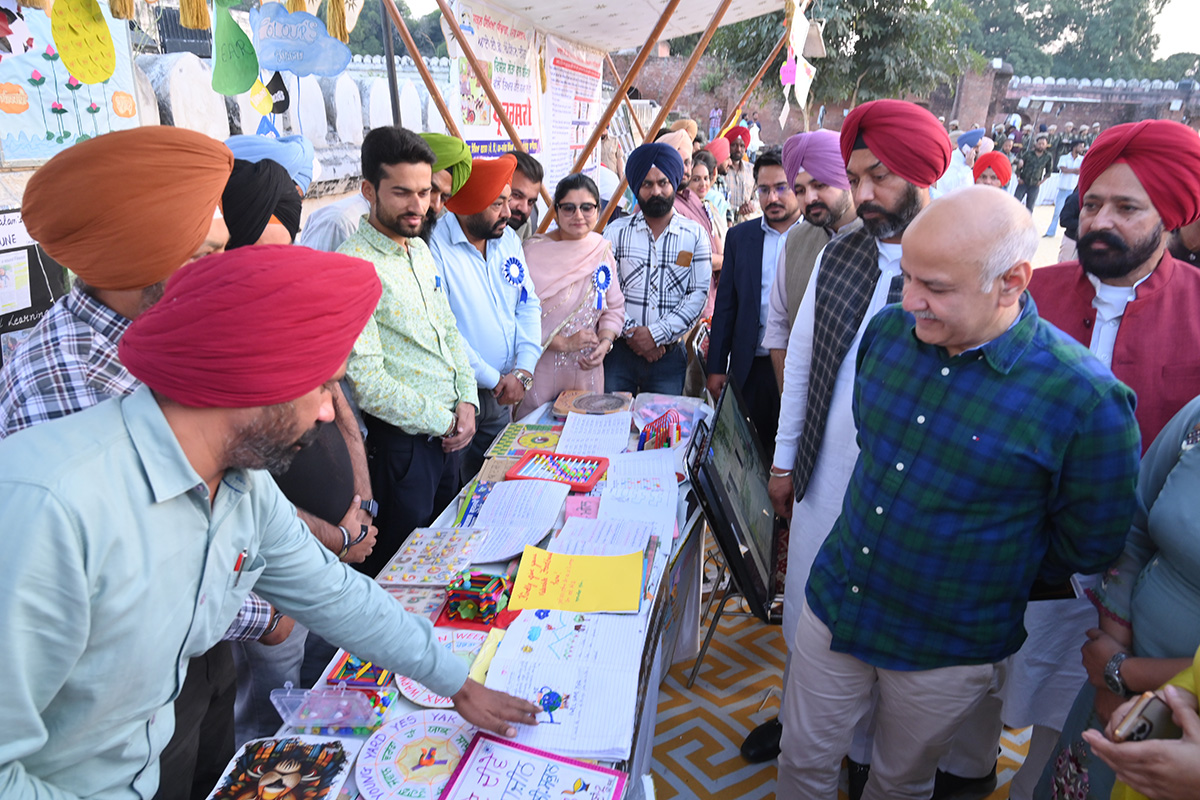
4,500+ Villages, 9,600+ Chaupals, 14 Districts, 261,000+ Participants Stronger panchayat ownership, deeper community action and expanding public participation
One conversation can change a family.
Many conversations can change a community.
Local Challenges Identified
Local Solutions Identified
Local Solutions Implemented
Behind every Chaupal is someone who chose to act.
Meet the women who are changing the future of education, one conversation at a time.
Married at 13, Rajmuni Devi could have settled into the life expected of a young bride. Instead, she chose to continue her education, completing Class 12 while balancing domestic labour and studies. Her journey shaped a deep commitment to women’s empowerment through education. Since 1995, she has worked at the grassroots, building pathways for learning and equity. Today, with 30 years of experience, she leads at Deepmala Sanstha and anchors Shikshagraha in Kaimur district, Bihar.
After completing Class 12, Durga Kumari resisted early marriage and convinced her father to let her pursue a bachelor’s degree. Today, she is a dynamic leader, pivotal in training women to use technology at work across four blocks in Rohtas district, Bihar. Her work spans education, gender equality, and digital literacy, strengthening women’s leadership at the grassroots.
Anita is a Vikas Mitra from the Mahadalit community, appointed at the grassroots level as a change agent within the system. Anita actively participates in every Chaupal, bringing system-level representation by raising awareness on relevant government schemes. Most notably, after learning in a Chaupal that many members of the Mushahar community lacked Aadhaar cards, Anita played a pivotal role in organizing an Aadhaar documentation camp, helping communities to address system level challenges collectively.
Shobha Kumari is a living example of how women can support and empower their daughters and daughters-in-law. She ensured that her daughter-in-law completed her school education, enabling her to pursue a better future. Today, Shobha actively mobilizes women in her Mushahar community to lead Chaupals. By sharing her own life experiences, she strongly advocates for the importance of education. She champions platforms like Chaupals as spaces for collective problem-solving and dialogue.
Geeta (in red saree), a woman leader, stands hand in hand with her sister and sister-in-law. Inspired and supported by each other, these sisters in arms are spreading the fire of empowerment, education, and equality across families in Gaya district, Bihar.
Sunita is often seen riding long distances on her scooter to lead Chaupals in villages, a commitment she has maintained for many decades. Inspired by her dedication, her husband has also begun supporting the grassroots movement for education in Sitamarhi, Bihar.
Rani completed her M.A. in Sociology along with a Diploma in Law, becoming one of the few women in her region to achieve this level of education. She founded VHELP Rural and Urban, an organisation working across Karnataka to strengthen government school education and women’s leadership. Through Chavadi spaces, Rani encourages women to become self employed. In 2023, she received major recognition when the Government of Karnataka selected her to participate in the G20, representing her community and efforts.
Sukanya G. S works on women’s rights through the Vimochana Women’s Rights Forum, supporting survivors of violence and advocating for gender justice. Drawing on this experience, she brings a strong focus on women’s empowerment to her Chavadi work. Through these efforts, she builds safer communities and a more inclusive public education system for future generations.
See how the Women Leadership Collective is inspiring
conversations across India.
Every child deserves a community that believes in them. You can help build that.
Whether you are a community leader, organisation, institution, or someone who believes in education, there is a place for you in this movement.
Join us in building stronger communities and stronger public schools.