
“She has to go to someone else’s house anyway,” Vibha Verma, one of the Didis who facilitates Shiksha Chaupals, recalls hearing, over and over, as if it were less an opinion and more a rule. A daughter’s life, in this telling, is temporarily an investment that yields returns elsewhere. So why invest at all?
The Quiet Arithmetic
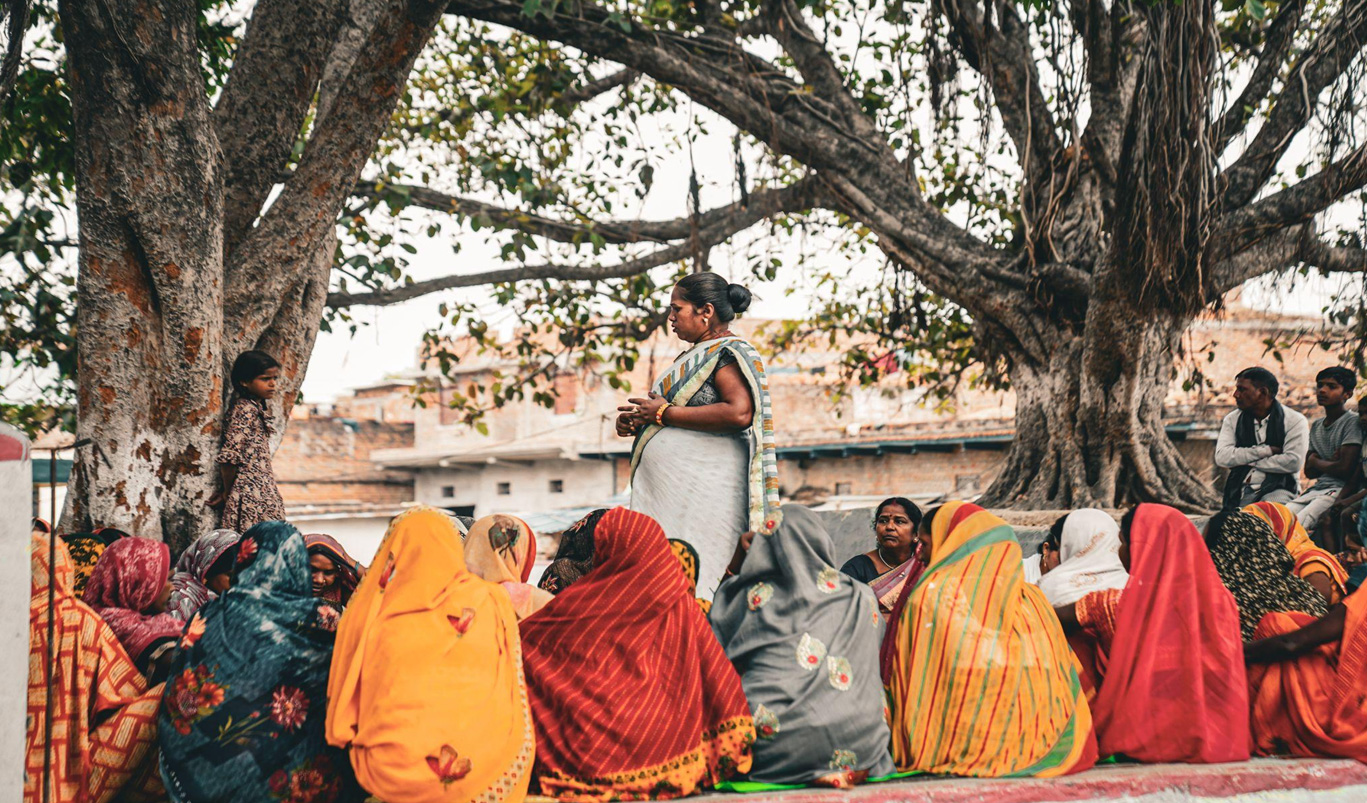
In parts of rural Bihar, this quiet arithmetic shapes decisions long before a girl can question them. Education is not always denied loudly; more often, it is withheld through reasoning that feels practical, even inevitable. Families working within tight financial constraints weigh every rupee carefully, and in that calculation, sons and daughters are not treated equally. A son remains, contributes, carries forward the household. A daughter leaves. The equation, though unspoken, governs outcomes. It is within this context that Shiksha Chaupal emerges not as a campaign that declares education important, but as a space that questions the very logic behind who is considered worth educating.
The reasoning, when it surfaces, sounds like this: “Why should girls study? Girls, anyway, have to just manage the kitchen whether she lives at her in-laws’ house or her parents’ house. If she is at her parents’ house, her parents are there to look after her, and when she goes to her in-laws’ house her husband is there to take care of her. She can live on her husband’s income.”
A Different Equation
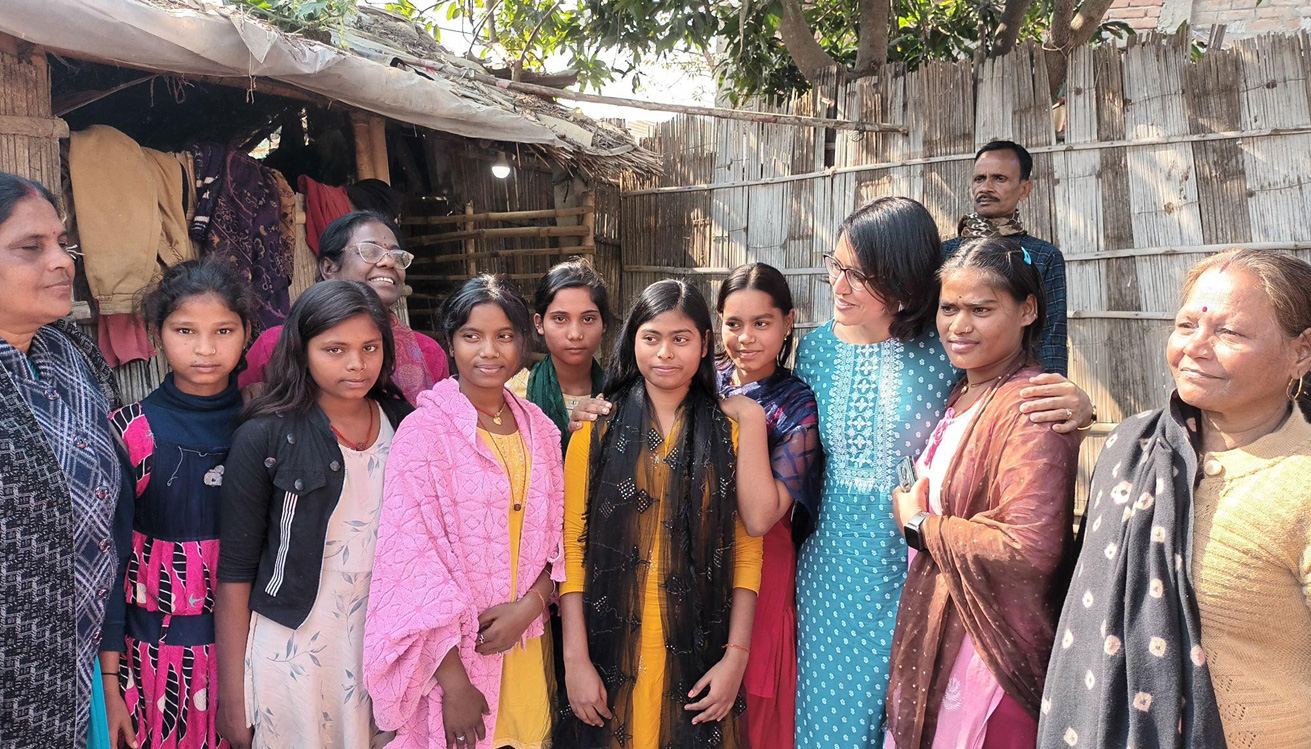
Yet the women who have passed through these very systems see it differently.
“I would like to tell them to educate their children but at the same time if they can help people around them to progress further, then definitely do that. Whether it’s their family or villagers or people in neighborhood villages, help to educate and advance women and girls.” (Ms Sangeeta)
Ragini Hua remembers walking miles just to attend school, often unsure if she would be allowed to return the next day. The barriers were not always physical. They were embedded in everyday conversations, in the expectations placed on her, in the subtle but persistent reminders of her “place.” Yet, she persisted not because the system supported her, but because she refused to accept its limits.
Women like Vibha and Ragini now sit at the heart of the Chaupal conversations, not as beneficiaries, but as facilitators. They do not speak in abstractions. They speak in lived realities of what it means to be denied education, of what it costs to reclaim it, and of how that absence shapes a lifetime. What emerges in these gatherings is not just awareness, but a slow dismantling of inherited beliefs. Mothers begin to question what they once accepted. They begin to see that education is not merely an investment in a future household, but in the dignity, agency, and independence of their daughters.
The conversation shifts from “Who benefits?” to “Why should she not?” The most unexpected realization is this: the Chaupal does not work because it provides information. It works because it reframes value. It challenges the deeply rooted idea that a daughter’s worth is tied to where she will go, rather than who she can become. And in doing so, it asks women to give their daughters something they themselves were denied not as charity, but as correction.
“A mother always wants her children to progress and have a good life. So, I want to give this message to every mother —educate your children, be it son or daughter, so that when they grow they do not become dependent on anyone.” (Ms Sangeeta)
Change in the Margins
Change here does not arrive dramatically. It appears in smaller decisions: a girl allowed to stay in school one year longer, a mother choosing to listen instead of dismiss, a conversation that lingers after the Chaupal ends.
And sometimes, it begins with a simple shift in math when a daughter is no longer seen as a cost, but as someone whose education is not meant to return elsewhere, but to belong to her.
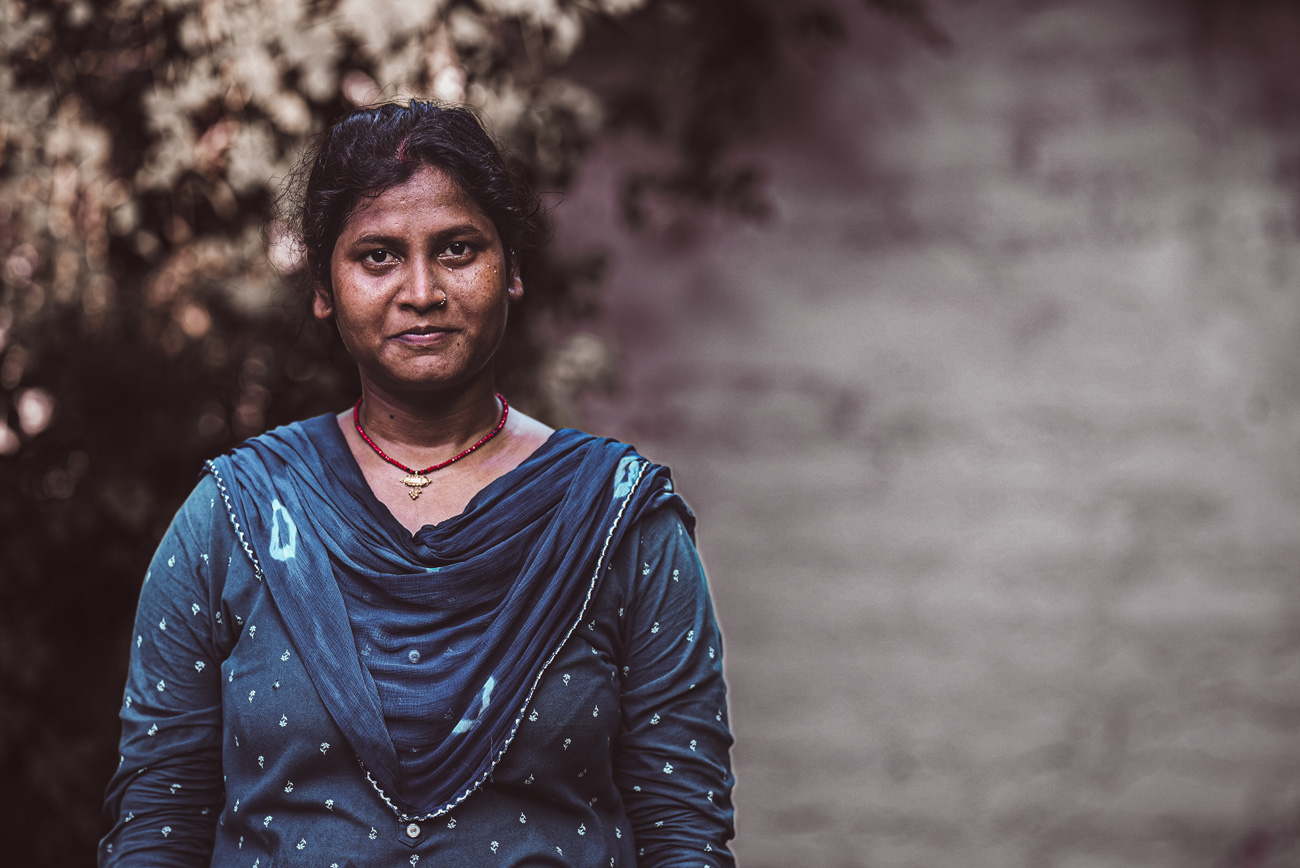
“I am doing this because I know what problems arise from a lack of education. I got married immediately after giving the IA exam. I joined the group because I am a little educated, I might get a job and have a source of income. But when I started working in the village and visiting the community, I realized that despite doing IA I face so many problems but what about those girls who are not educated at all or who have left studies after Grade 5 or 7? What challenges do they face and what might they face in the future? That thought is what drives me.” (Ms Sangeeta)
The math does not collapse overnight, it is rewritten slowly, in the margins of everyday life. In a mother’s hesitation before saying no. In a girl returning to school one more year. In a conversation that refuses to end where it once did. What is shifting is not simply a decision, but a way of seeing a slow unlearning of the belief that a daughter’s life is meant to belong elsewhere. Because the real change is not just that daughters are being sent to school, it is that they are no longer being measured only by where they will go, but by who they are allowed to become.
About the Author
Dankan N
Dankan N is a postgraduate student of Media and Communication Studies at Christ University, Bengaluru. Currently interning with the Media and Communications team at Shikshagraha, Mantra4Change, he works at the intersection of social impact, field reporting, and storytelling. His journey with Shikshagraha began through friends talking about volunteering at InvokED 5.0 in Bengaluru, an experience that pushed him to step beyond observation and engage directly with stories from the ground. Deeply interested in field reporting and writing blogs, Dankan focuses on capturing voices, contexts, and narratives that often go unheard.