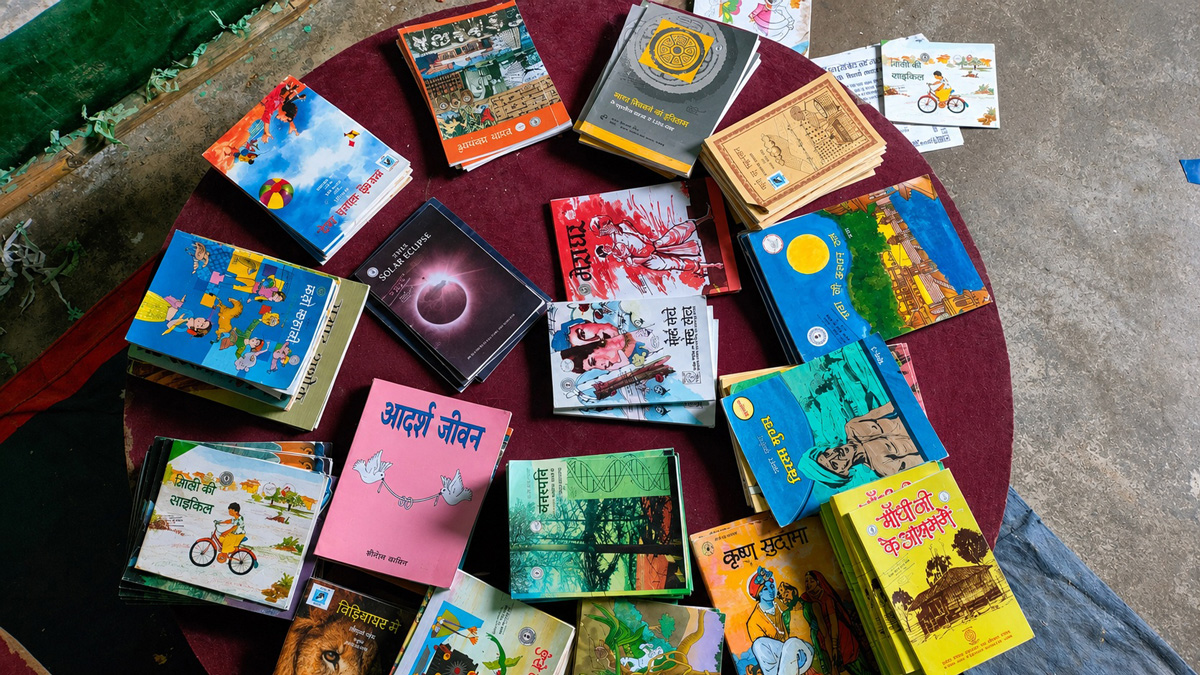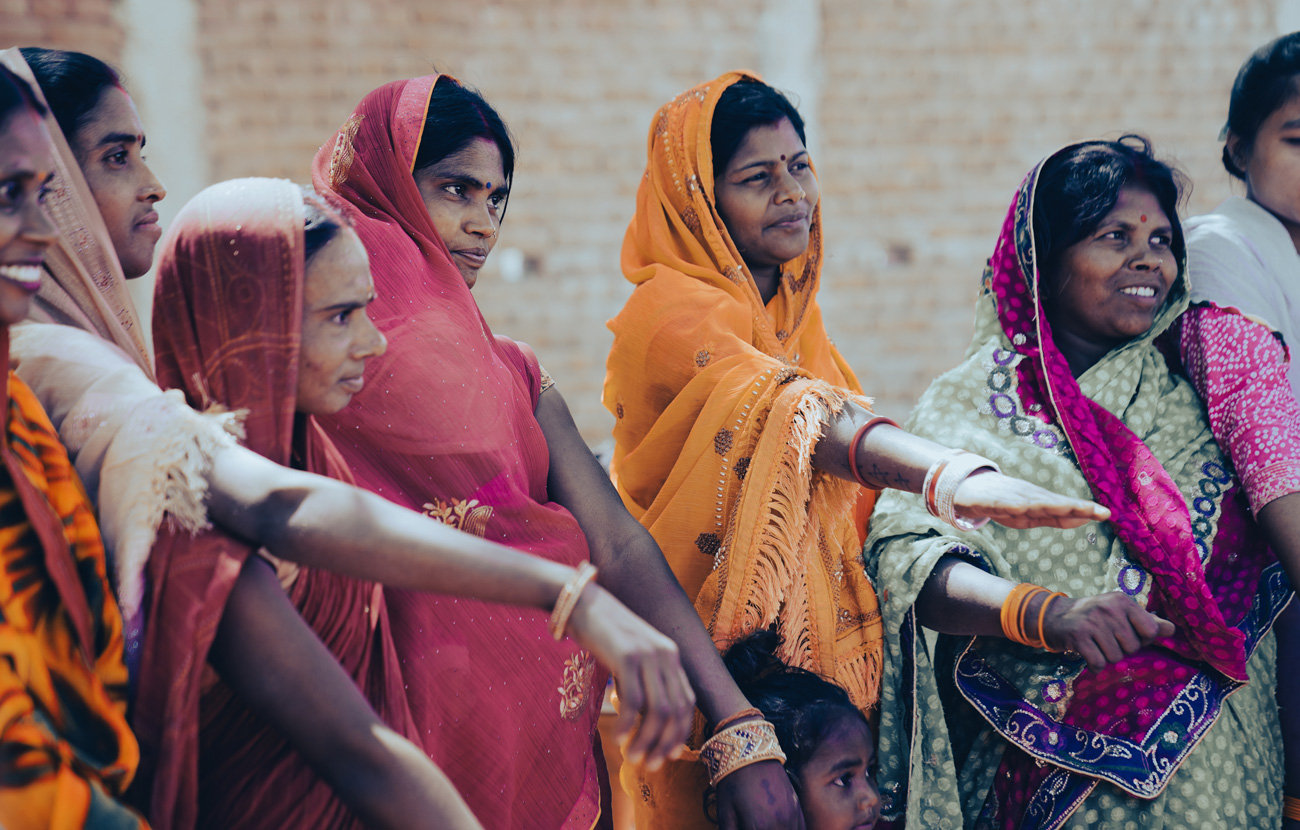

Growing up surrounded by independent, educated and self-made women, I never once stopped to look around. I applied for my Masters without a second thought, simply because I knew my parents would support all my academic pursuits. That, I’ve come to realise now, is an unearned privilege; one that I never thought to acknowledge until I came across the Chaupals and the women running them through Shikshagraha and Mothers of Courage, a documentary on the same.
A Space Where Change Begins From Within
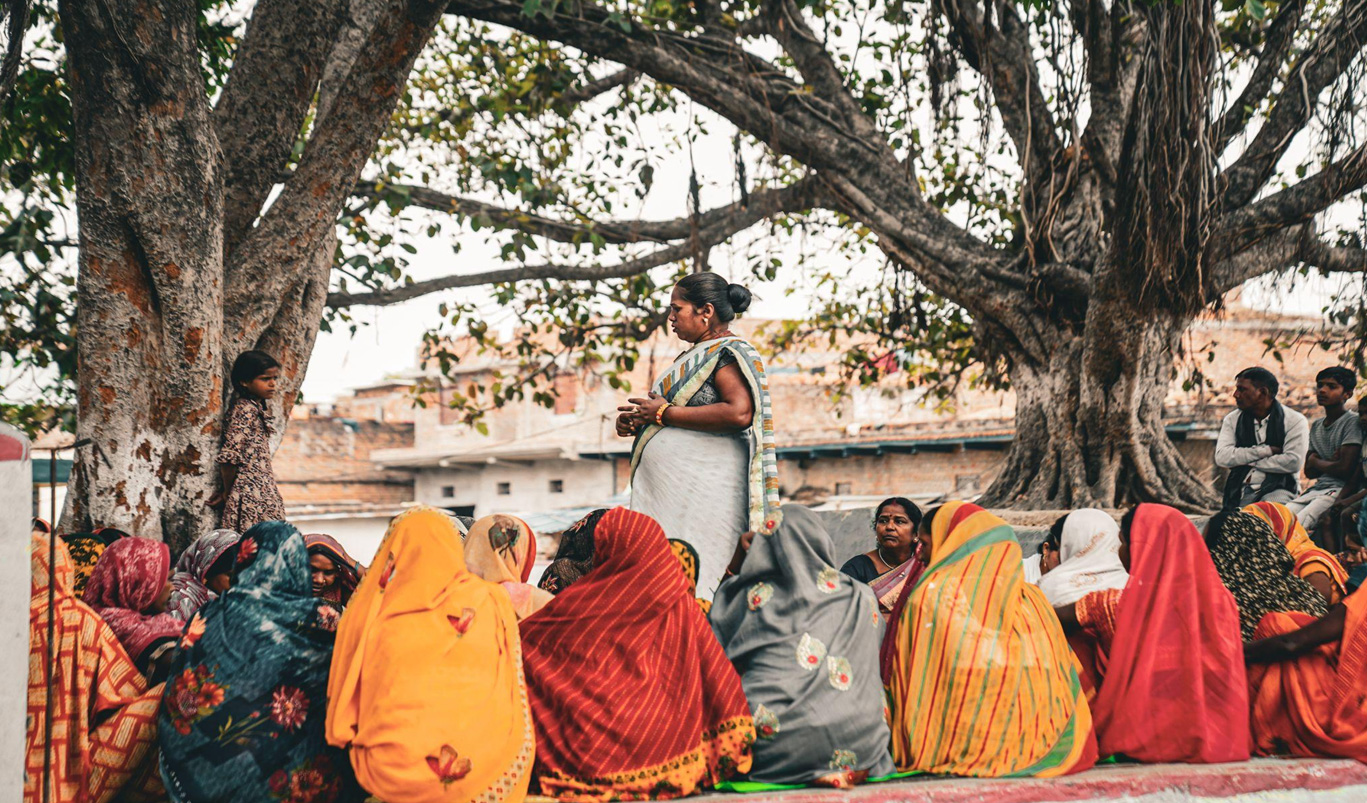
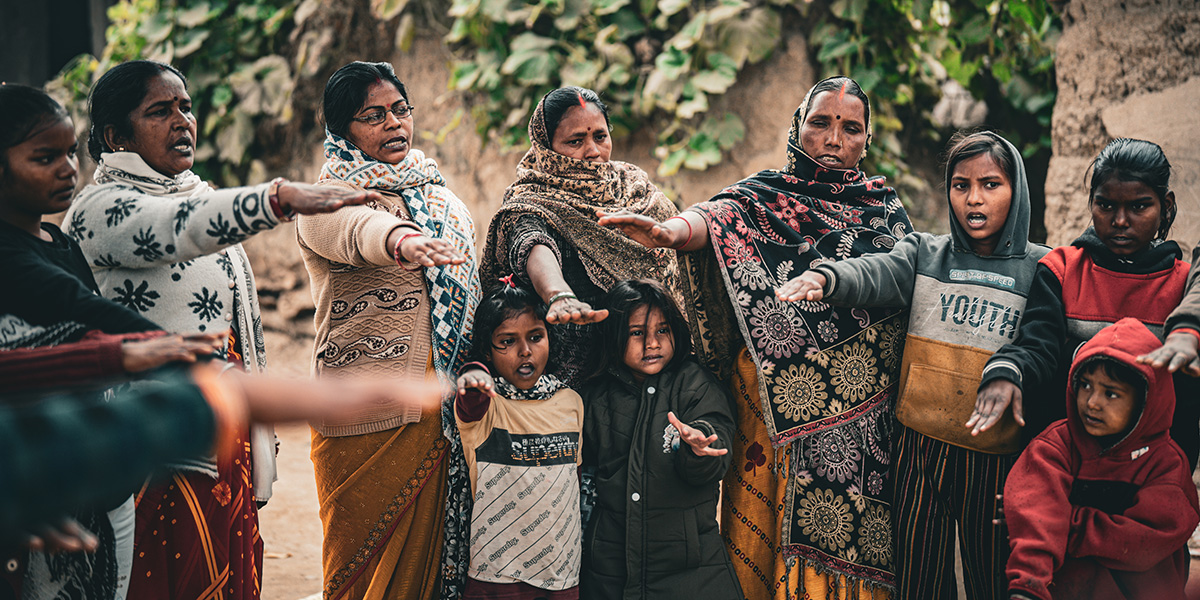
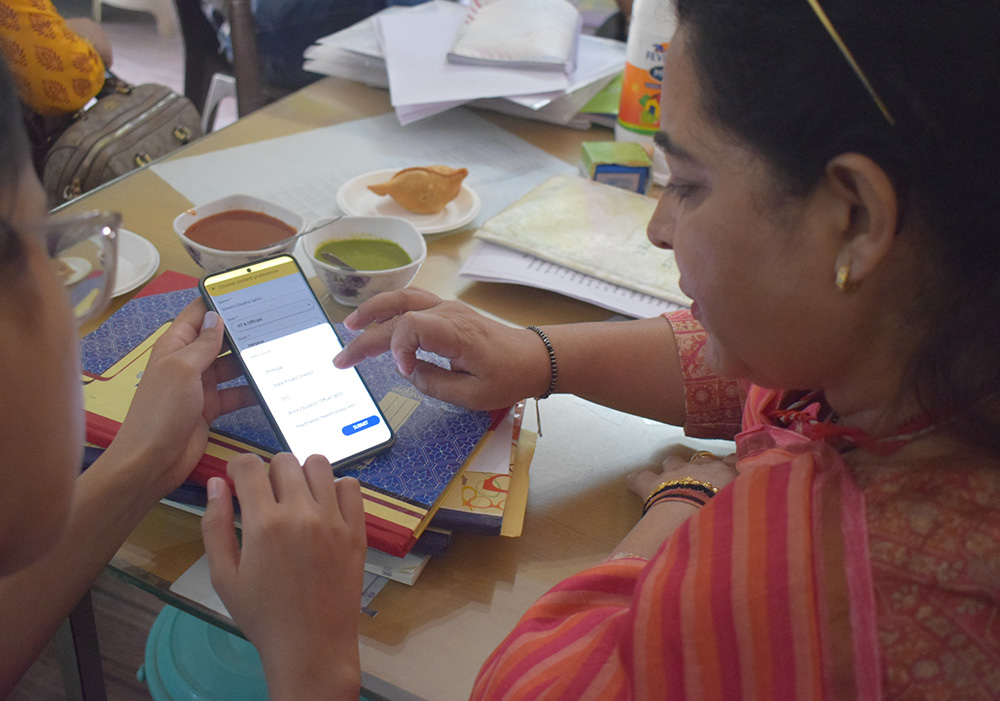
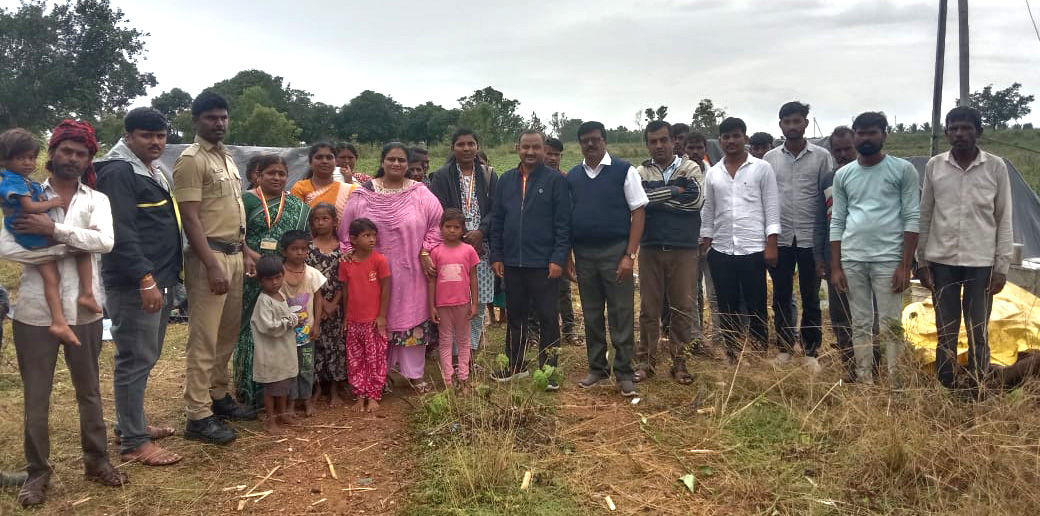
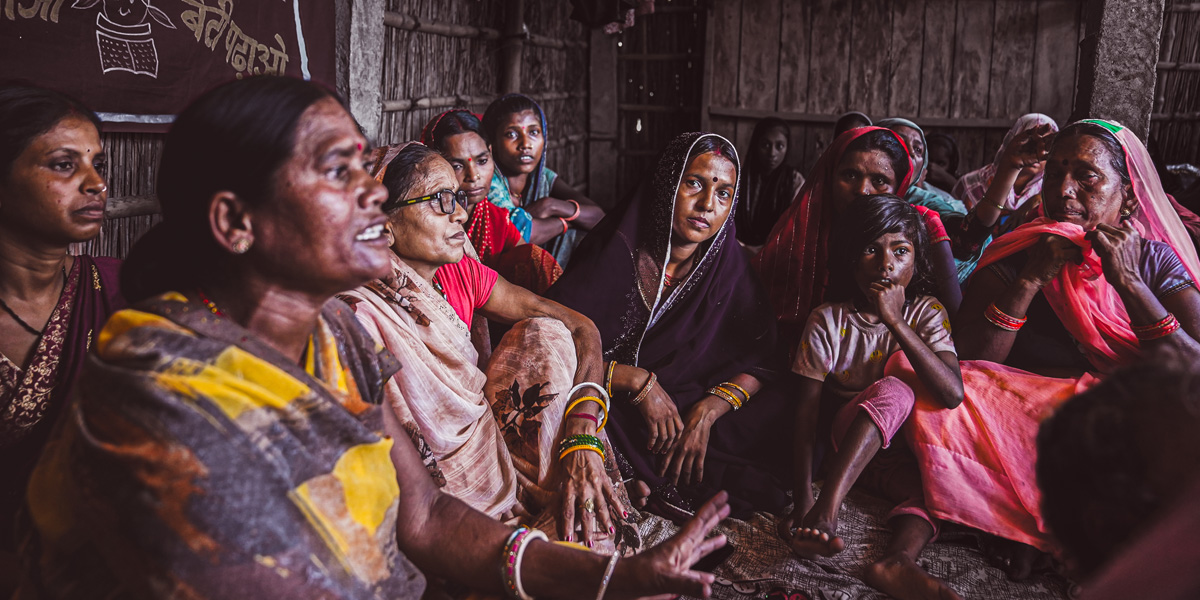
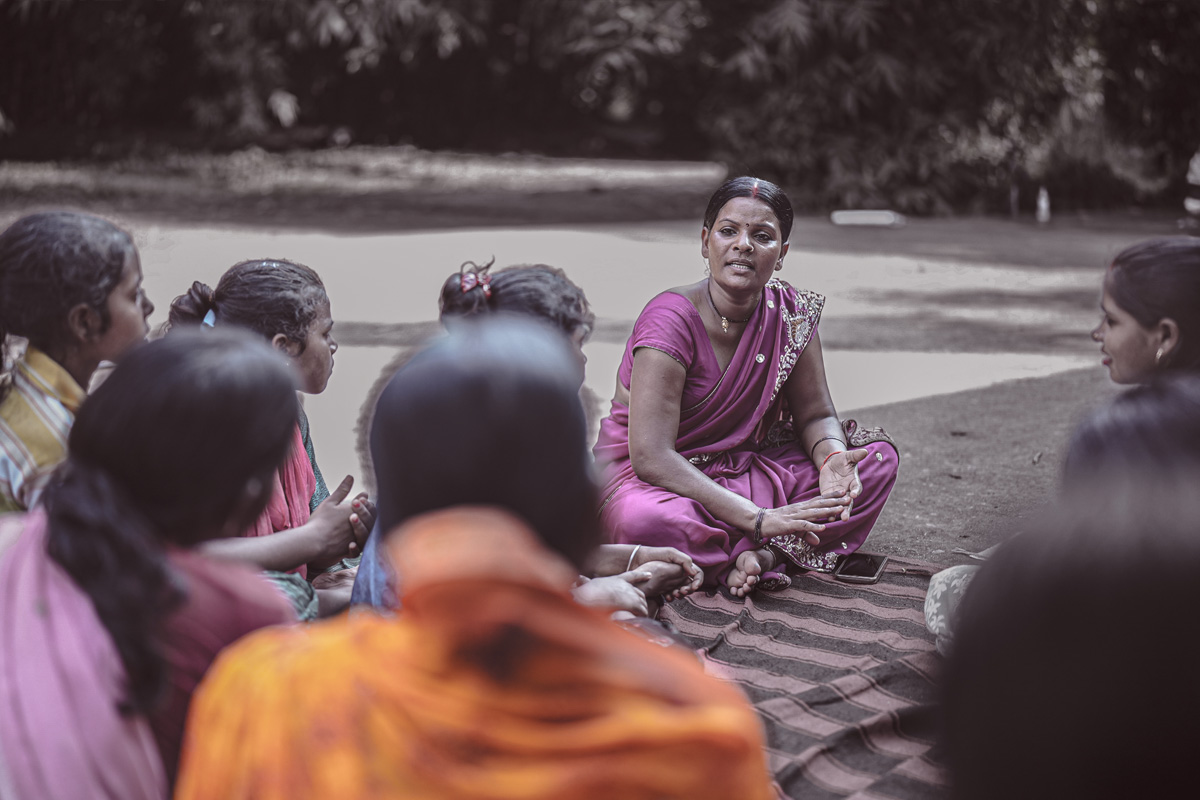
Every few months, across more than 700 villages in 14 districts of Bihar, women gather in any space available to them; be it a school ground, a backyard, a temple, the common pathway or even a goat shed. Mothers sit beside their daughters, ward members and school teachers join in, while facilitators known as Chaupal Didis ask a single question that should have an easy answer in 2026:
“Is your daughter going to school?”
For too many girls, the answer is still no. The reasons are almost always the same: “the school is too far, what if something happens to her?”, “we are too poor, we need her to work”, “if she goes to school, who will take care of the younger ones at home?” and “what’s the use of sending her to school when she has to marry and move away one day?”
These aren’t mere excuses. They are realities shaped by poverty, distance, fear and social arrangements that have, for generations, reserved their resources for sons. They cannot be argued away in a single afternoon. The shift, when it comes, has to come from within.
“During Chaupals, people themselves address their problems, find solutions and move forward,” said Sangeeta, a facilitator and Secretary of the Drishtee Federation in Gaya. “We don’t go there and tell them about their problems.” The Chaupal is not a lecture. It is a space where what needs to surface, surfaces.
Premlata, a Block Coordinator based in Gaya, was married at the age of seventeen and a half, six months short of the legal age. As she unflinchingly puts it: a child marriage. Having failed her English exam in 1995, she stopped studying and didn’t return to her books for seventeen years. She finally returned in 2012, while her son was preparing for his 10th grade board examination. “My son gave the 10th exam and I gave the 12th.” Retelling her own story in every Chaupal, she gives an important reminder to the women and children around her: it is never too late. You are never too old, too far behind or too embarrassed to begin again.
Women like Premlata don’t arrive at these Chaupals with a programme. They arrive with a memory and that, it turns out, is far more persuasive.
When Barriers Run Deeper Than Belief
But not all barriers are visible. In Ranjitpur, Sitamarhi, Chaupal Didi Sunita Kumari walked into a settlement and found that not a single child had ever been enrolled in school. Not because families didn’t want it, but because they had no Aadhaar cards, which meant no birth certificates, meaning no school admission. Families who had tried navigating government offices had been turned away so many times that they found it pointless to keep trying. In flood-prone Sitamarhi, entire communities migrate for work every monsoon and not every girl returns to class when the waters recede.
And then, there are barriers that don’t show up in any government report. Some girls, the Chaupal Didis shared, refused to attend the Chaupals at all; not because someone is forcing them to stay home, but because they have, somewhere along the way, stopped wanting to educate themselves. Imagine what a child has to see, to live through, to arrive at such a decision? What version of the world has been quietly shown to them, over and over, for them to believe that education simply isn’t theirs to want?
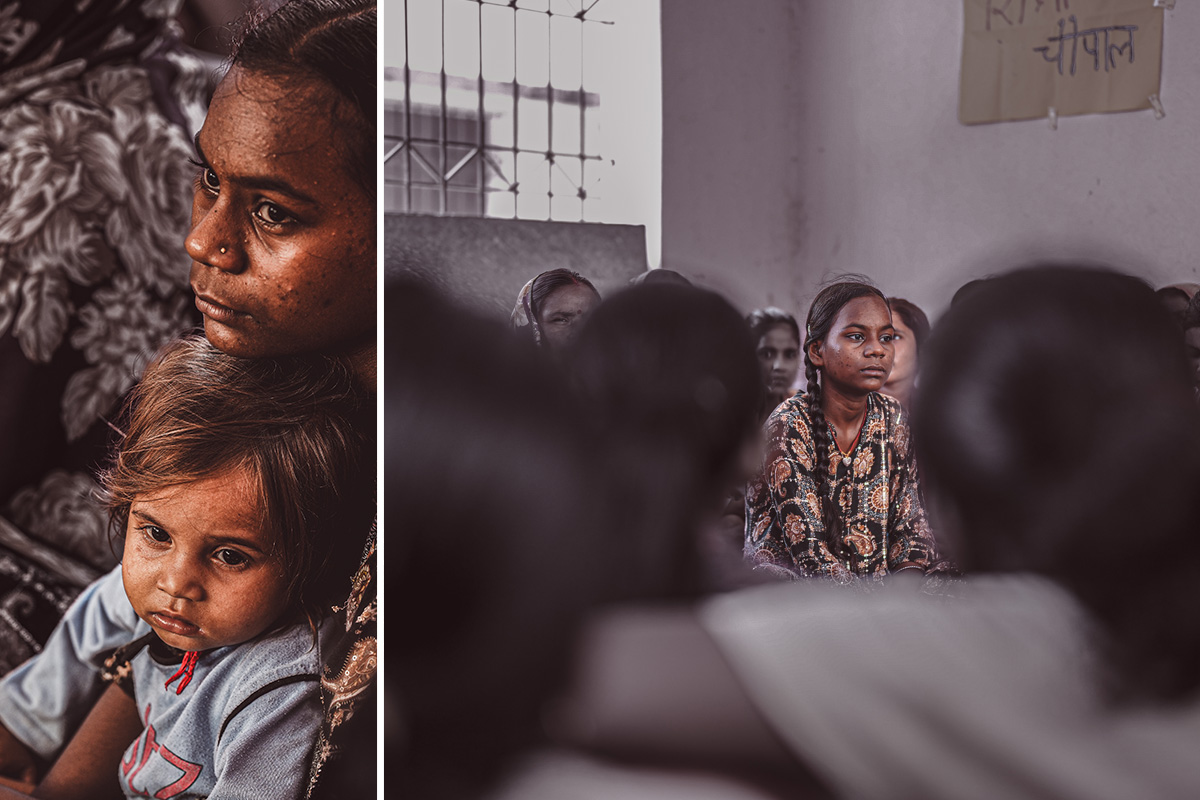
I think about myself and the women in my life and the quiet ways our choices have been questioned, even in our so-called progressive environments. We navigate that with education, financial support and with the help of the people in our corner. These girls face the same resistance at a far more tender age, with far fewer resources at the very point where their futures are being decided. That gap, between those of us who never had to fight for quality education and those, still waiting for the chance, is exactly what the Chaupals are trying to close.
This, in particular, is what makes the conversation around India’s progress feel incomplete to me. Our Constitution guarantees every child the right to education. But, rights on paper and in practice are two very different things. Progress that only reaches certain people is not complete.
When The Answer Belongs to Them
“When the solution comes from them, it becomes sustainable. We don’t go anywhere and solve all the problems,” said Urmila, one of the most experienced Chaupal facilitators. Whether it is deciding to divide household chores between sons and daughters equally, or a mother finally giving her daughter permission to go back to school, the commitment, when it comes, is theirs. And when it belongs to them, it lasts.
Women have been breaking records and occupying spaces that were once closed to them for a long time now. Yet, in parts of rural Bihar, teenage girls are still waiting to fully exercise their right to education. Shiksha Chaupal cannot change all of this at once but it is changing something more durable: the belief, held quietly inside these communities, that the problem belongs to them and so does the answer.
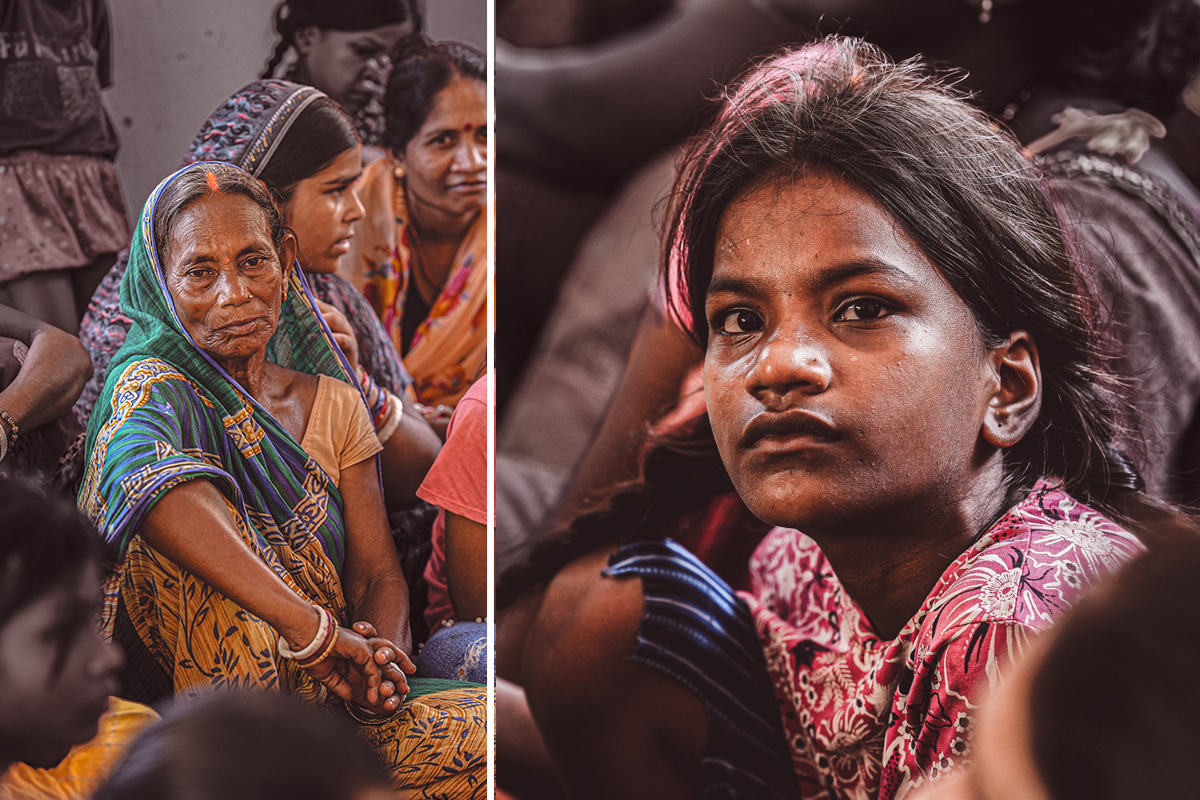
My friend asked me what barriers could possibly still exist. I used to think the same. But, I’ve come to realise that the answer was never far. We just weren’t looking.
About the Author
Anusri P
Anusri P is a postgraduate student of Media and Communication Studies at Christ University, Bengaluru. Currently interning with the Media and Communications team at Shikshagraha, Mantra4Change, she works at the intersection of social impact, content and communication. Her journey with Shikshagraha began through volunteering at InvokED 5.0 in Bengaluru, an experience that nudged her to reflect on the world beyond her own narrative and the stories worth telling within it.